
10 Genius Housing Solutions for Low-Income Families: Finding safe, affordable housing has become one of the biggest challenges low-income families face today. But here’s the good news: there are genius housing solutions out there that are truly changing lives. Across the globe, innovative programs, technologies, and community-based efforts are making it easier for people to find a place to call home without breaking the bank. In this article, we’re diving deep into “10 Genius Housing Solutions for Low-Income Families That Are Changing Lives Around the World.” We’ll talk real talk—from rent-to-own tiny homes in Detroit to 3D-printed communities in Texas and community-led efforts in Pakistan. Whether you’re a policymaker, a parent, or just someone who wants to learn more, this guide will break it all down and offer practical steps anyone can take to be part of the solution.
Table of Contents
10 Genius Housing Solutions for Low-Income Families
These 10 genius housing solutions show us what’s possible when creativity meets compassion. From high-tech 3D printing to low-tech earthen floors, the world is brimming with smart ways to give families a safe place to live. The best part? Most of these solutions are scalable and replicable. So whether you’re in Kansas or Kampala, there’s a path forward. The housing crisis may seem overwhelming, but by supporting smart policies, empowering communities, and investing in innovation, real change is within reach. The time to act is now.
| Solution Name | Country/Region | Key Benefit | Notable Stat |
|---|---|---|---|
| Quinta Monroy | Chile | Incremental housing | 100 families rehoused on same land |
| TECHO | Latin America | Volunteer-built housing | 131,000 homes built |
| Pro Vivienda Social | Argentina | Microfinance-based upgrades | 70% of borrowers improved home safety |
| Orangi Pilot Project | Pakistan | DIY sanitation + housing | Helped over 1 million residents |
| Tiny Homes Detroit | USA | Rent-to-own tiny homes | Ownership after 7 years |
| ICON 3D Homes | USA/Mexico | Printed homes in 24 hours | Built 100+ homes |
| Energiesprong | Europe | Net-zero retrofits | 60% drop in heating bills |
| BatiPack | Global | Modular, concrete housing | Erected in 72 hours |
| EarthEnable | Africa | Clean earthen floors | 80% drop in parasitic infections |
| PPP Housing Models | Global | Public-private partnerships | Housing costs cut by 30% |
1. Genius Housing Solutions for Low-Income Families: Building Piece by Piece in Chile
Sometimes, slow and steady really does win the race. In Quinta Monroy, Chile, the government partnered with architecture firm Elemental to design “half a house.” These starter homes include essential infrastructure, bathrooms, and kitchens. Families build out the rest when they can afford to.
This model puts control in the hands of residents. Instead of waiting years for full government housing or getting pushed to the outskirts, families get a foundation they can develop over time.
Real Impact:
- Rehoused 100 families in the same community
- Costs about $7,500 USD per unit
- Keeps families in urban centers, not displaced to the outskirts
- Encourages long-term ownership and pride
This approach proves that you don’t need to spend six figures to offer dignity in housing.
2. TECHO: Youth-Powered Housing in Latin America
TECHO, meaning “roof” in Spanish, is one of the most powerful grassroots movements in Latin America. Their model is unique: unite young volunteers with underprivileged families to build emergency housing and foster social inclusion.
Unlike top-down charity models, TECHO believes in working with communities—not for them. Each project includes community planning, skills training, and follow-up support.
Why It Works:
- Over 131,000 homes built across 18 countries
- Promotes leadership among youth
- Families participate in every step
- Low-cost materials make rapid response possible
Many families who started with a TECHO house have gone on to build permanent homes thanks to economic and educational boosts from the program.
3. Pro Vivienda Social: Microfinance That Hits Home
Home improvement loans? Yes, but with a twist. Pro Vivienda Social in Argentina offers microloans to low-income communities—not to individuals, but to groups. If one can’t pay, others help.
This creates both financial support and social cohesion. Families use the funds for roofing, insulation, water systems, and expansions. Often, construction knowledge spreads across neighborhoods as one family’s upgrade inspires the next.
What’s Cool About It:
- 70% improved home safety, sanitation, or structure
- Encourages savings habits and teamwork
- Keeps residents from falling prey to exploitative lenders
The model has been replicated in other Latin American countries due to its success.
4. Orangi Pilot Project: DIY Upgrades in Pakistan
The Orangi Pilot Project is one of the most celebrated community-led urban development projects globally. Starting in a large informal settlement in Karachi, it helped families design and build their own sanitation systems, often for a tenth the government’s cost.
Once sanitation was handled, the project expanded into housing upgrades, health clinics, schools, and job training.
Major Wins:
- Over 1 million people served
- Sanitation costs dropped by 80%
- Demonstrated how communities solve problems when empowered
Its success has influenced slum upgrading projects in India, Indonesia, and parts of Africa.
5. Tiny Homes Detroit: Small Space, Big Opportunity
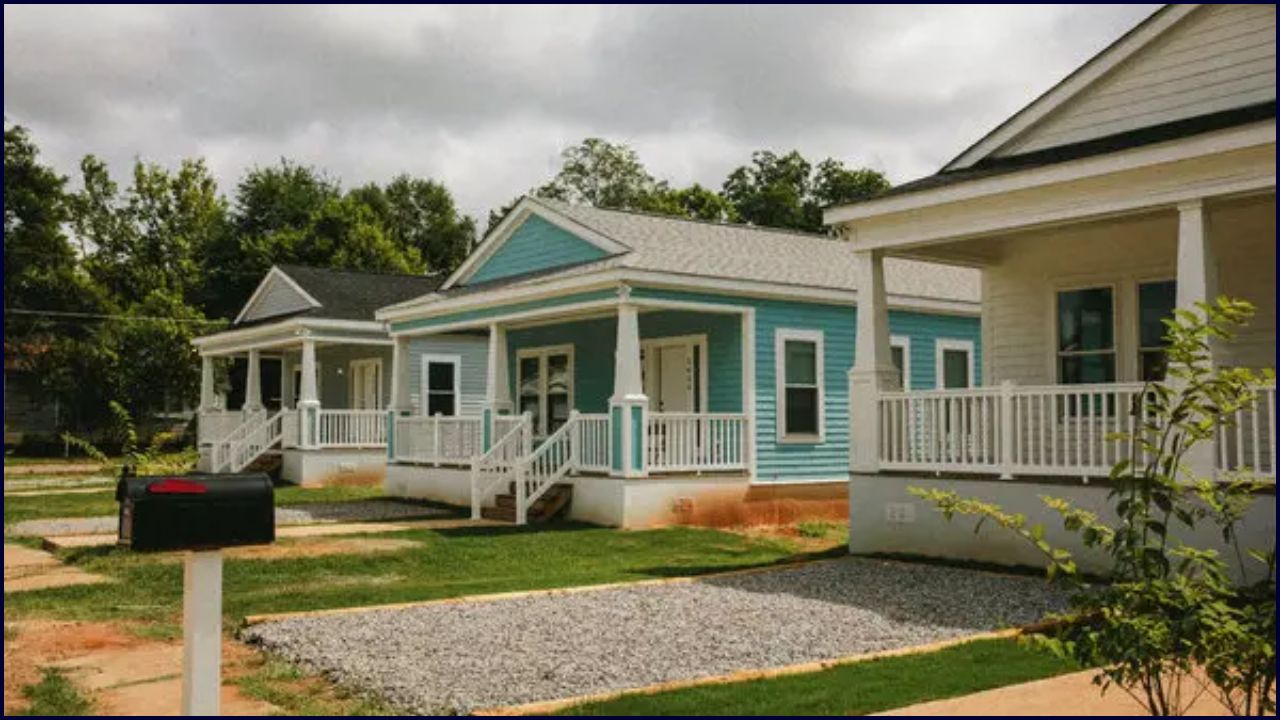
In Detroit, Michigan, a city with a lot of vacant land and homes, Cass Community Social Services launched a Tiny Homes Project to provide low-income families a path to homeownership.
Residents rent homes for seven years with built-in financial literacy classes. After that, they own the home outright. No mortgage. No debt.
Real-World Impact:
- Rent as low as $250/month
- Utilities rarely exceed $35/month
- All homes built on formerly vacant land
- Each home unique, avoiding a “cookie cutter” look
The project offers stability and dignity, proving that even small homes can make a big difference.
6. 3D Printed Homes: The Future Is Now
Forget hammer and nails. 3D printing technology is now being used to print entire houses in 24-48 hours. Companies like ICON are leading the charge in Texas and Mexico.
The printers use durable materials like lava-based concrete, making these homes more resilient to hurricanes and floods. It’s a game-changer in regions facing housing shortages.
Fast Facts:
- Built in under 2 days
- Estimated cost: ~$10,000 per unit
- Designs can be customized easily
With growing interest, expect 3D homes to play a big role in rebuilding communities after natural disasters or economic collapse.
7. Energiesprong: Green Retrofits in Europe
The Dutch-based Energiesprong initiative tackles a different challenge: outdated, inefficient housing. Instead of building new, they retrofit old homes to be net-zero energy, adding solar panels, insulation, and smart systems.
Even cooler? The entire upgrade process is modular and can be done in a few days—without kicking residents out.
Why It Rocks:
- Reduces energy bills to nearly zero
- Cuts carbon emissions drastically
- Keeps aging housing stock relevant
- Pays for itself in energy savings
Energiesprong is now active in France, Germany, and the UK.
8. Modular Homes from BatiPack: Built in Days
Quick housing doesn’t have to mean cheap quality. BatiPack and similar systems use pre-made concrete shells and snap-together components to create solid, livable homes in just 72 hours.
These homes are especially useful after disasters or in rapidly urbanizing areas.
Quick Wins:
- Erected quickly with minimal equipment
- Resilient against harsh weather
- Easily scalable for large populations
Great for emergency housing or refugee settlements, this model offers speed and scale without sacrificing stability.
9. EarthEnable: Clean Floors = Healthy Homes
In Rwanda and Uganda, dirt floors cause diseases like diarrhea and parasitic infections. EarthEnable solves this with clean, sealed earthen floors made from natural materials.
It’s simple, affordable, and healthier.
Proof in the Pudding:
- 80% drop in parasitic infections
- Floors cost less than $50 per room
- Uses local materials and labor
- Families report cleaner homes and fewer sick days
This low-tech solution saves lives, especially for children.
10. Public-Private Partnerships (PPP): Policy + Progress
PPP housing models combine public funding and land with private-sector innovation and efficiency. The government might supply the land and zoning support, while private developers build and manage the properties.
This model has been used successfully in the U.S., Canada, Brazil, and India to meet housing demands.
Big Results:
- Housing delivered 30-50% faster
- Encourages innovation in green and modular tech
- Allows flexibility in location and design
The key is strong oversight to ensure developers uphold affordability and quality standards.
Additional Genius Housing Solutions for Low-Income Families
Community Land Trusts (CLTs)
CLTs keep land in a nonprofit trust while allowing residents to own their homes. This keeps housing permanently affordable and shields communities from gentrification.
Example: Burlington, Vermont’s Champlain Housing Trust is a leading model.
Co-Housing & Shared Living Models
Families share resources, kitchens, and communal spaces—cutting down on cost and isolation. Works well for seniors, single parents, and low-income students.
Government Housing Vouchers
Programs like Section 8 allow families to rent from private landlords while the government pays a portion of the rent.