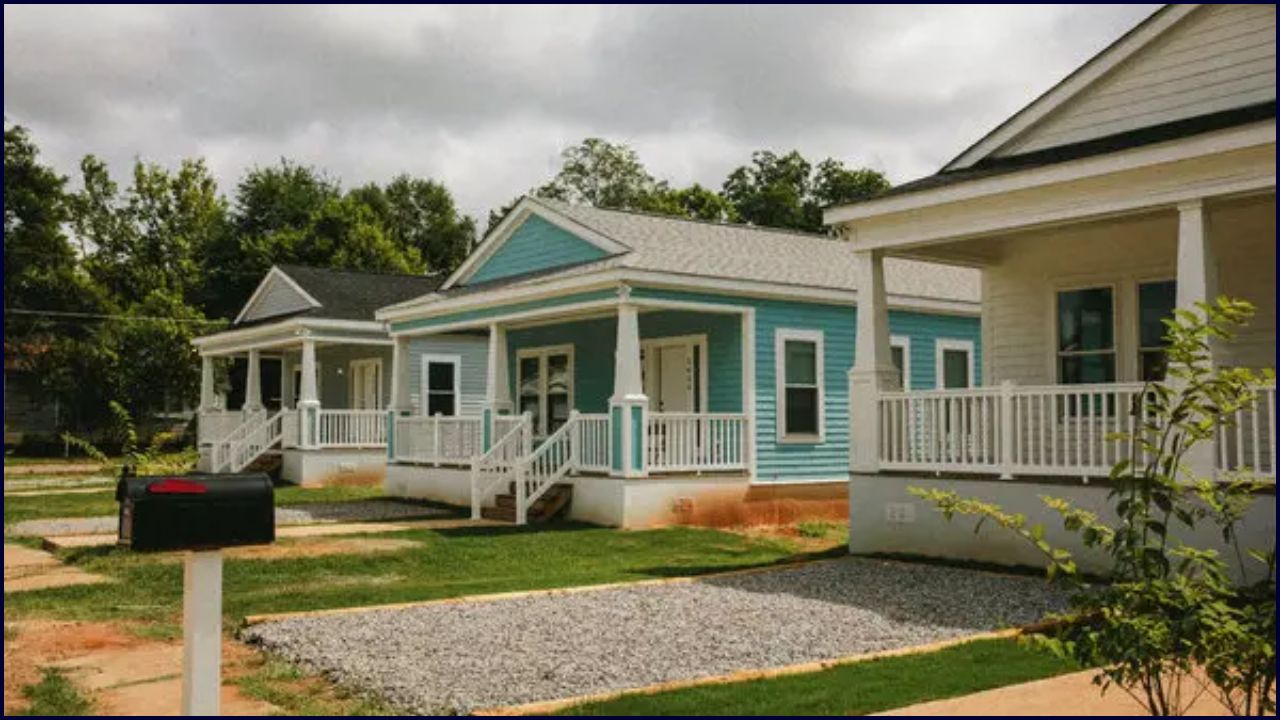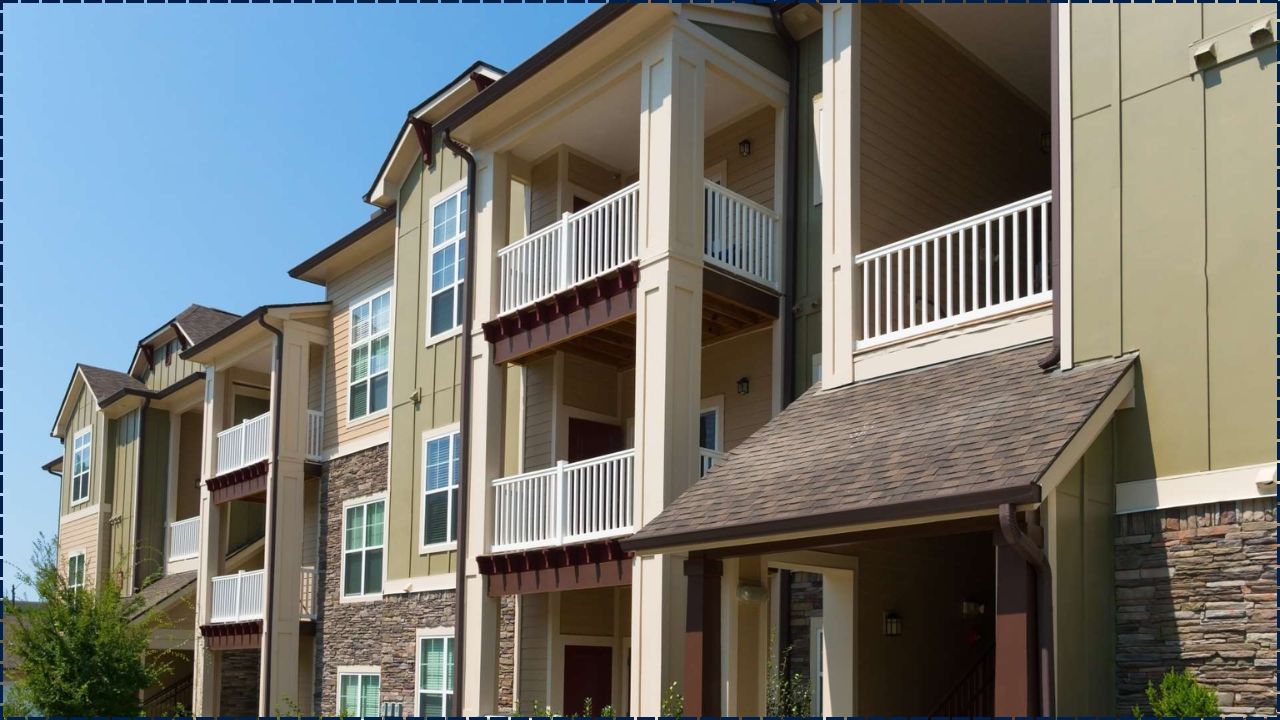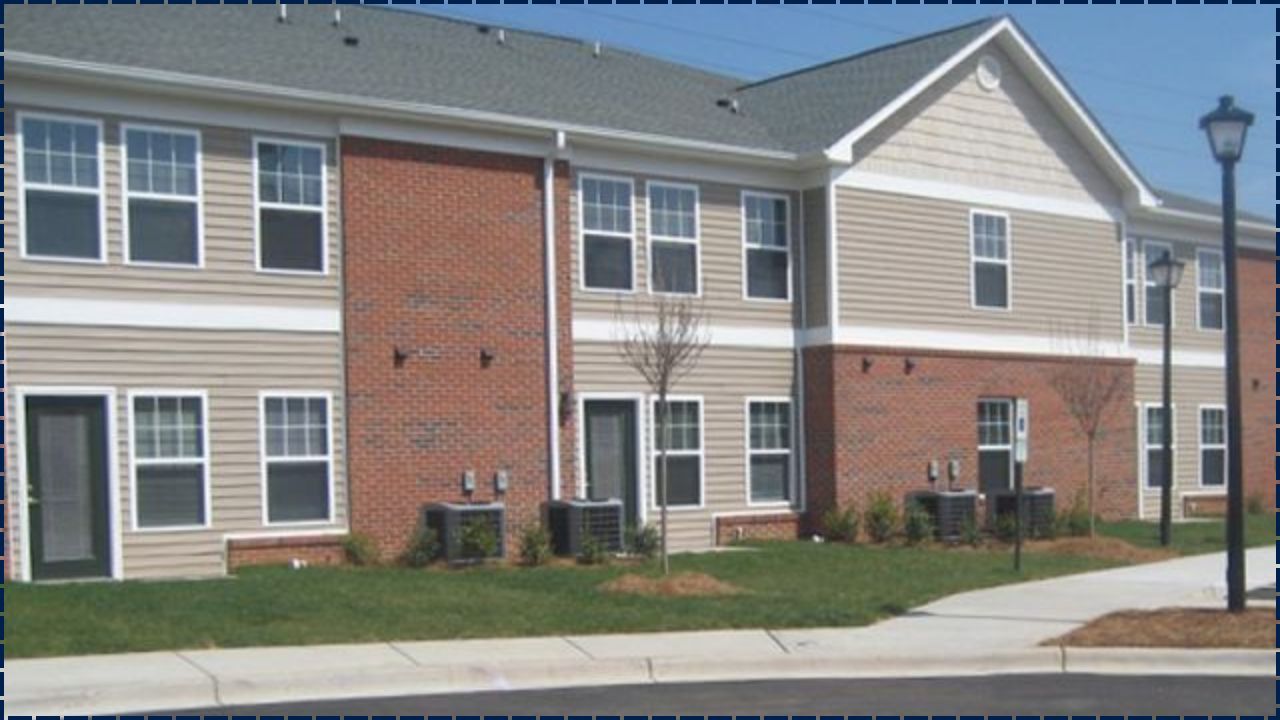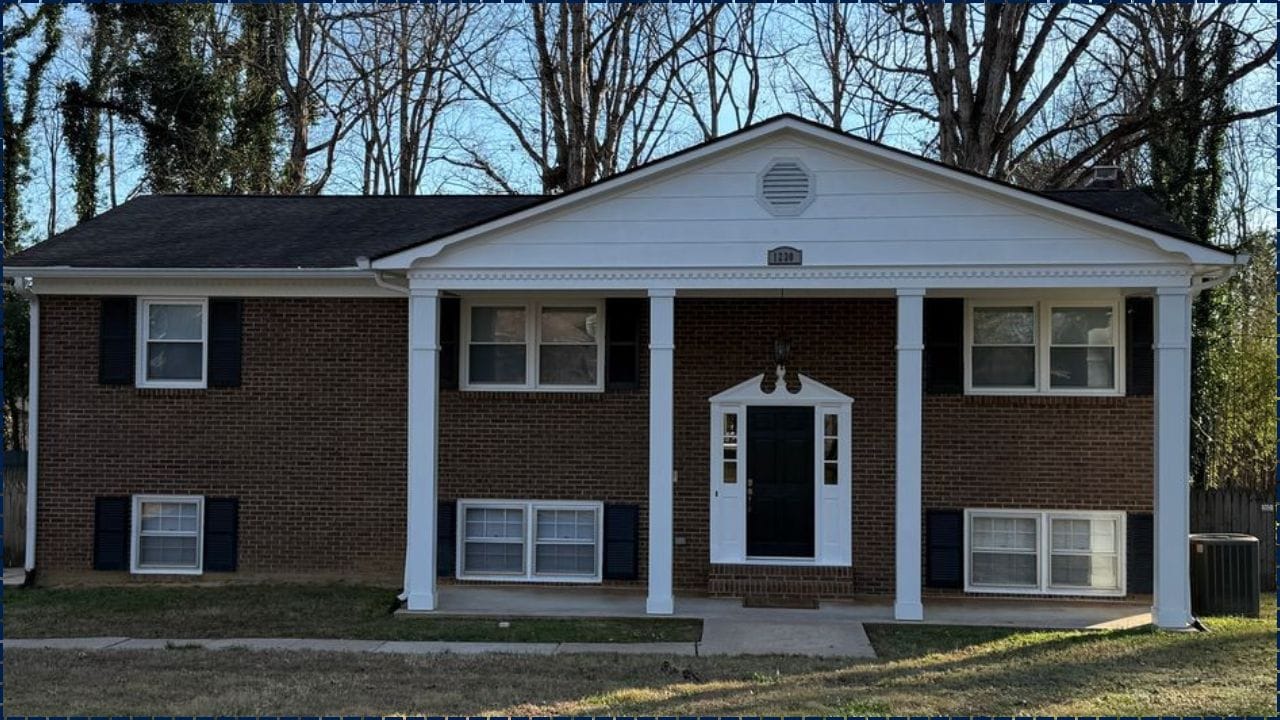

As of 2026, the waitlist status 2026 for federally assisted housing programs in Catawba County, North Carolina, shows that the county’s primary housing waiting lists remain closed to new applicants. Local housing administrators say sustained demand, limited federal funding, and long-standing application backlogs continue to prevent reopening, leaving many households without a path to immediate rental assistance.
Table of Contents
Understanding the Waitlist Status 2026 in Catawba County
The waitlist status 2026 refers primarily to the availability of applications for federally supported rental assistance programs, most notably the Housing Choice Voucher program, commonly known as Section 8.
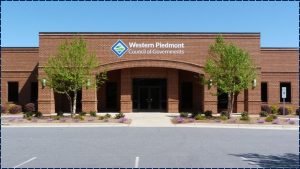
In Catawba County, these programs are administered through regional and municipal housing authorities, including the Western Piedmont Council of Governments and the Hickory Housing Authority. Both agencies oversee the distribution of federal housing assistance to eligible residents.
As of 2026, neither agency is accepting new applications for its general housing voucher waitlists. Officials describe the closures as administrative necessity rather than policy choice, driven by resource constraints and demand that consistently exceeds supply.
How Housing Waitlists Work
Why Waitlists Exist
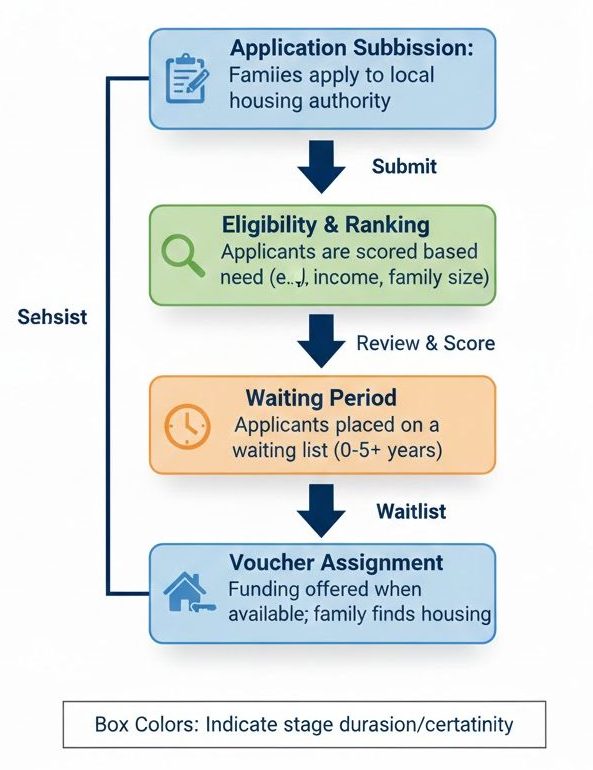
Housing assistance programs operate with fixed numbers of vouchers or units allocated annually through federal appropriations. When demand surpasses availability, agencies establish waiting lists to manage applications in an orderly and legally compliant manner.
Once a waitlist reaches a size that would result in excessive waiting times—often measured in years—housing authorities typically close it to new applicants. This prevents applicants from joining a list with no realistic expectation of near-term assistance.
What “Closed” Actually Means
A closed waitlist does not mean housing assistance has stopped entirely. Instead:
- Vouchers continue to be issued as households exit the program.
- Applicants already on the list remain eligible for consideration.
- No new households can submit applications until the list reopens.
Housing officials emphasize that reopening a list without sufficient funding or turnover would create false expectations and administrative strain.
Historical Context: Why Closures Have Become Common
Over the past decade, housing authorities nationwide have increasingly relied on extended waitlist closures. Several structural factors explain this trend.
First, federal housing programs have not expanded at the same pace as population growth or housing costs. While eligibility for assistance may increase during economic downturns or periods of rising rents, the number of vouchers available often remains flat.
Second, rental market conditions have tightened. As affordable rental units become scarcer, voucher holders may remain in the program longer, reducing turnover and slowing movement through waitlists.
In Catawba County, housing administrators say these national pressures are reflected locally, particularly as the region balances economic development with limited affordable housing construction.
Eligibility Does Not Guarantee Access
A key source of confusion for residents is the distinction between eligibility and availability.
To qualify for federal housing assistance, households generally must:
- Meet income limits based on household size.
- Pass background and screening requirements.
- Demonstrate lawful residency or citizenship status.
However, meeting these criteria does not ensure placement on a waitlist or receipt of assistance. Housing agencies stress that eligibility determines who may apply, not who will receive help.
Because waitlists are closed, many otherwise eligible households cannot apply at all in 2026.
Priority Preferences and Who Moves First
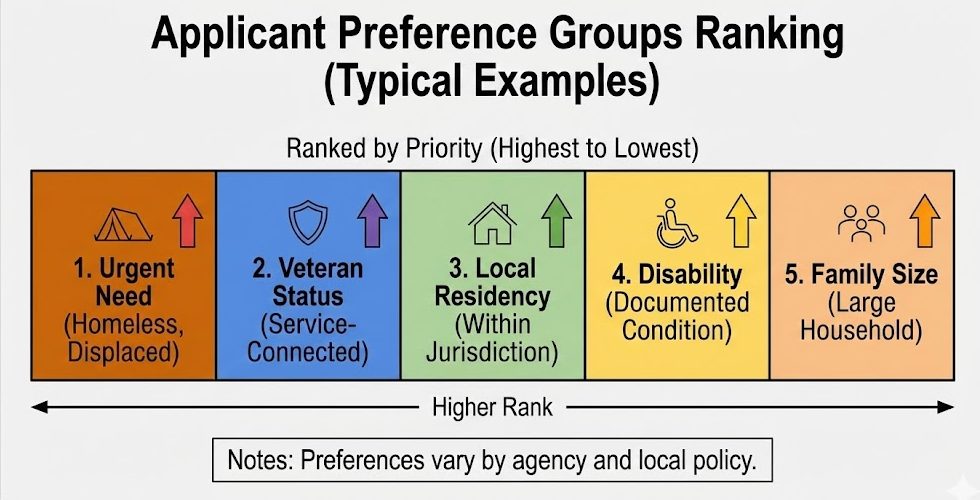
When vouchers become available, housing authorities typically follow a priority system approved under federal guidelines. While policies vary by agency, common preferences include:
- Households experiencing homelessness
- Seniors or individuals with disabilities
- Families displaced by natural disasters or domestic violence
- Residents living or working within the jurisdiction
These preferences affect the order in which applicants are selected but do not eliminate waiting periods. Even households with priority status may wait years for assistance.
Economic Pressures Shaping Demand
Housing experts point to broader economic forces that continue to shape waitlist demand in 2026.
Rents have risen faster than wages in many communities, increasing the number of households spending more than 30 percent of their income on housing—a threshold commonly used to define cost burden.
At the same time, new housing construction has not consistently targeted the lowest-income renters, leaving subsidized programs as one of the few remaining safety nets.
In regions like Catawba County, these pressures compound, particularly for seniors on fixed incomes and families employed in lower-wage sectors.
How Catawba County Compares Regionally
Although each county operates independently, housing officials note that extended waitlist closures are not unique to Catawba County.
Across much of North Carolina and the Southeast, housing agencies report similar conditions:
- Long application backlogs
- Limited voucher turnover
- Multi-year waiting periods
This regional consistency suggests that local closures are part of a broader structural challenge rather than isolated administrative decisions.
What Residents Can Do While Waiting
Staying Informed
Housing agencies advise residents to monitor official announcements closely. When waitlists reopen, application windows are often short and require prompt action.
Updating Information
Applicants already on a waitlist must keep mailing addresses, phone numbers, and email information current. Failure to respond to outreach attempts may result in removal from the list.
Exploring Alternatives
While waiting, residents may consider:
- Income-restricted apartment complexes
- Nonprofit housing providers
- Short-term rental assistance programs
- County-level emergency housing resources
Housing counselors and social service agencies can help residents identify these alternatives.
Policy Debate: Can the System Change?
Housing policy analysts say the persistence of closed waitlists highlights broader questions about federal housing investment.
Some advocates argue for expanded voucher funding or automatic adjustments tied to housing costs. Others emphasize the need for increased affordable housing construction to reduce pressure on rental assistance programs.
Housing administrators caution that while local agencies manage implementation, long-term solutions depend on policy decisions at higher levels of government.
Looking Ahead
As of 2026, there is no announced timeline for reopening Catawba County’s general housing waitlists. Housing officials say reopening decisions depend on funding stability, voucher turnover, and administrative capacity.
For now, the waitlist status 2026 reflects a system under strain—one that continues to provide assistance to thousands of households but remains inaccessible to many who qualify.
FAQ
Is the housing waitlist permanently closed?
No. Closures are temporary but may last several years depending on demand and funding.
Can I apply if my situation is urgent?
Emergency or specialized programs may exist, but the general waitlist remains closed.
Will reopening be publicly announced?
Yes. Housing authorities typically provide advance notice through official channels.