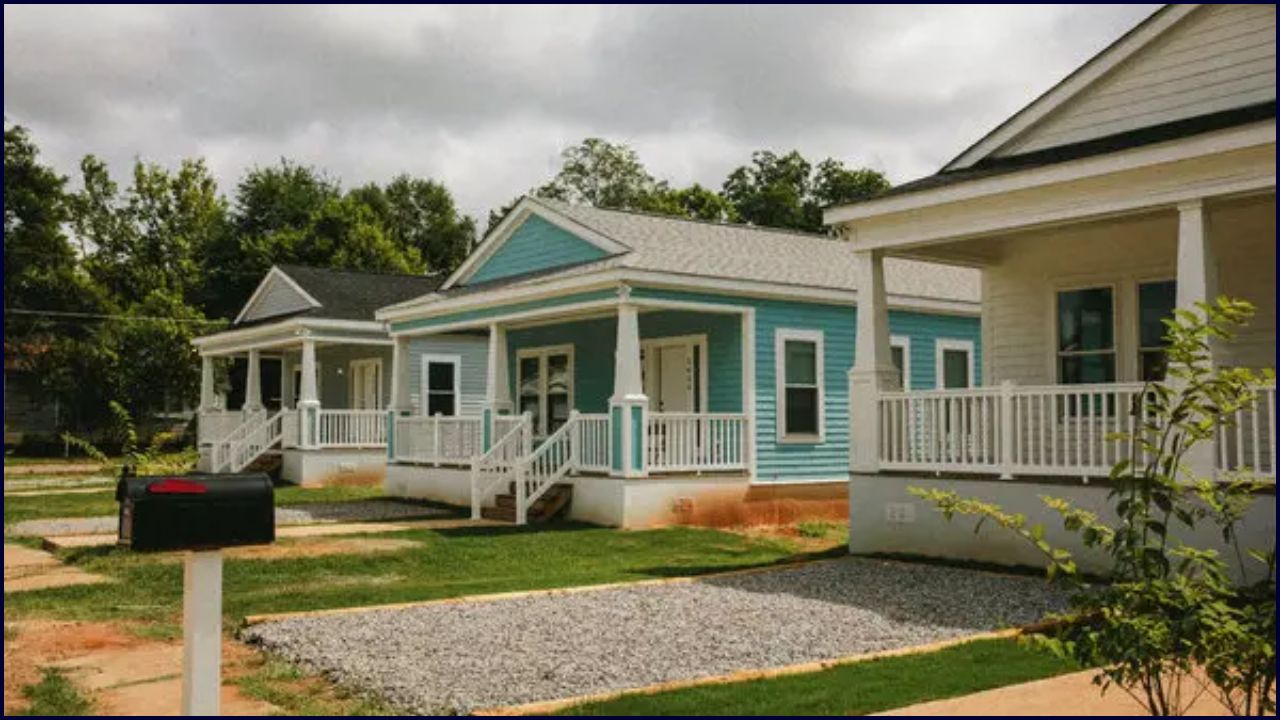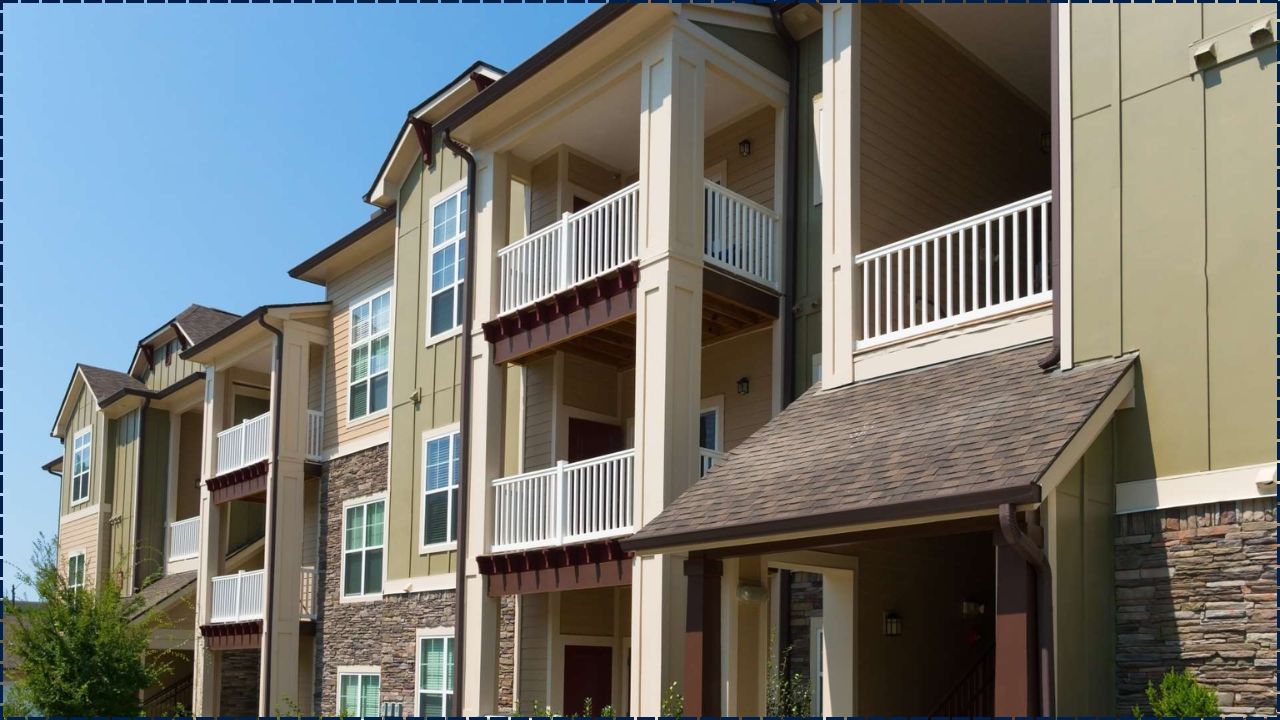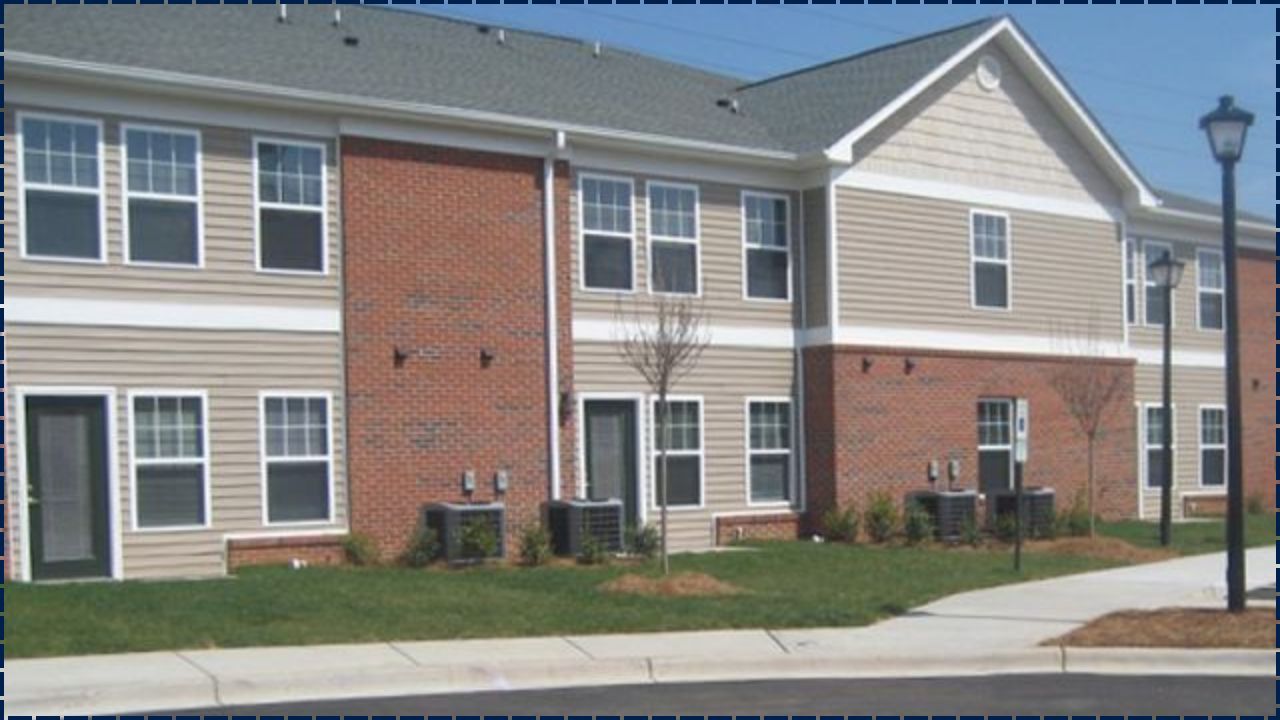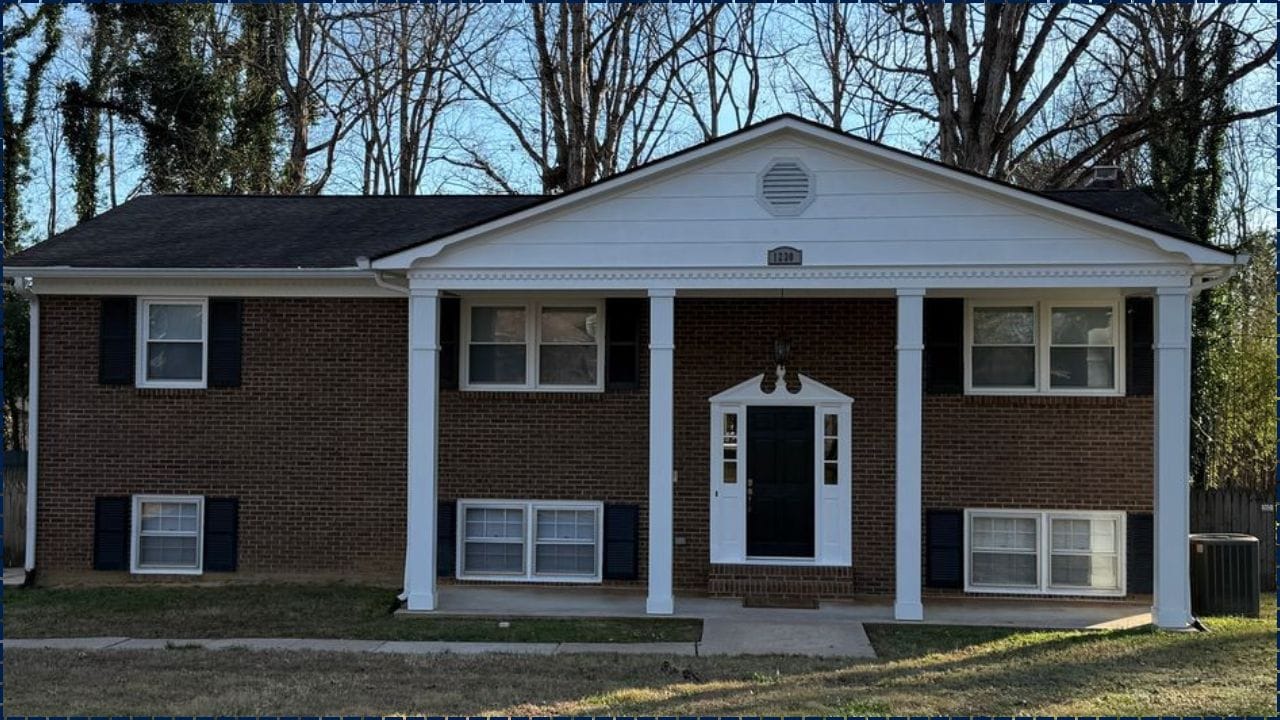

The HUD-VASH Program is playing an increasingly visible role in helping homeless and at-risk veterans secure permanent housing in Hickory, North Carolina, as federal agencies and local partners respond to rising housing costs. The program combines rental assistance from the U.S. Department of Housing and Urban Development with long-term case management from the Department of Veterans Affairs, targeting veterans with the most complex needs.
Table of Contents
HUD-VASH Program
| Key Fact | Detail |
|---|---|
| Program Name | HUD-Veterans Affairs Supportive Housing (HUD-VASH) |
| Established | 2008 |
| Core Components | Housing Choice Voucher + VA case management |
| Target Group | Homeless and at-risk U.S. military veterans |
| Local Administration | Catawba County Housing Authority |
What the HUD-VASH Program Is and Why It Exists
The HUD-VASH Program was created in response to persistently high rates of homelessness among U.S. military veterans, particularly those living with disabilities, mental health conditions, or chronic medical needs. Established in 2008, the program reflects a broader federal shift toward a “Housing First” approach, which prioritizes stable housing as a foundation for recovery and long-term stability.
Under the program, HUD provides Housing Choice Vouchers that allow veterans to rent privately owned housing at below-market cost. The VA, in turn, supplies clinical and supportive services through dedicated case managers. Participation in case management is mandatory and continues after a veteran is housed.
Federal officials describe HUD-VASH as distinct from traditional rental assistance because it addresses not only housing affordability but also the underlying factors that contribute to housing instability.
Veteran Homelessness: National Trends and Local Impact
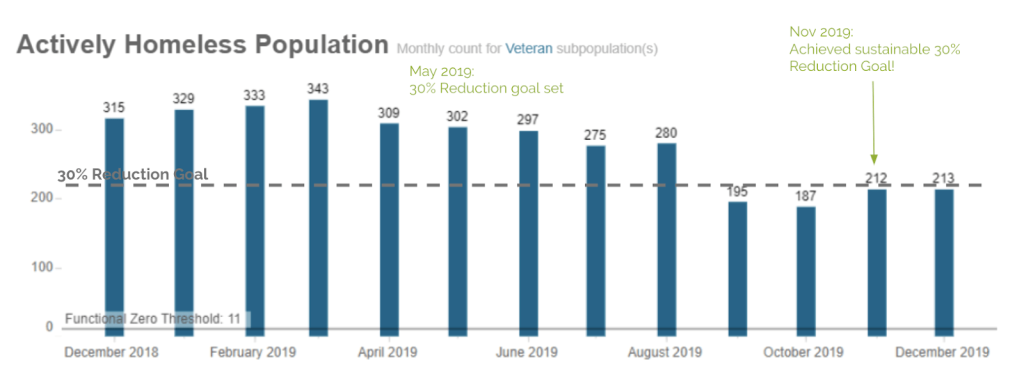
Veteran homelessness has declined significantly over the past decade, according to annual federal counts, though the problem has not been eliminated. Nationally, veterans still account for a disproportionate share of the adult homeless population relative to their presence in the general population.
In North Carolina, rural and mid-sized communities such as Hickory face unique challenges. While housing costs are generally lower than in major metropolitan areas, the supply of affordable rental units remains limited, and transportation barriers can complicate access to healthcare and employment.
Local housing officials say veterans in the Hickory area often experience “hidden homelessness,” including extended stays with friends or family, temporary motel placements, or repeated moves that place them at ongoing risk of losing housing.
How Veterans in Hickory Access the HUD-VASH Program
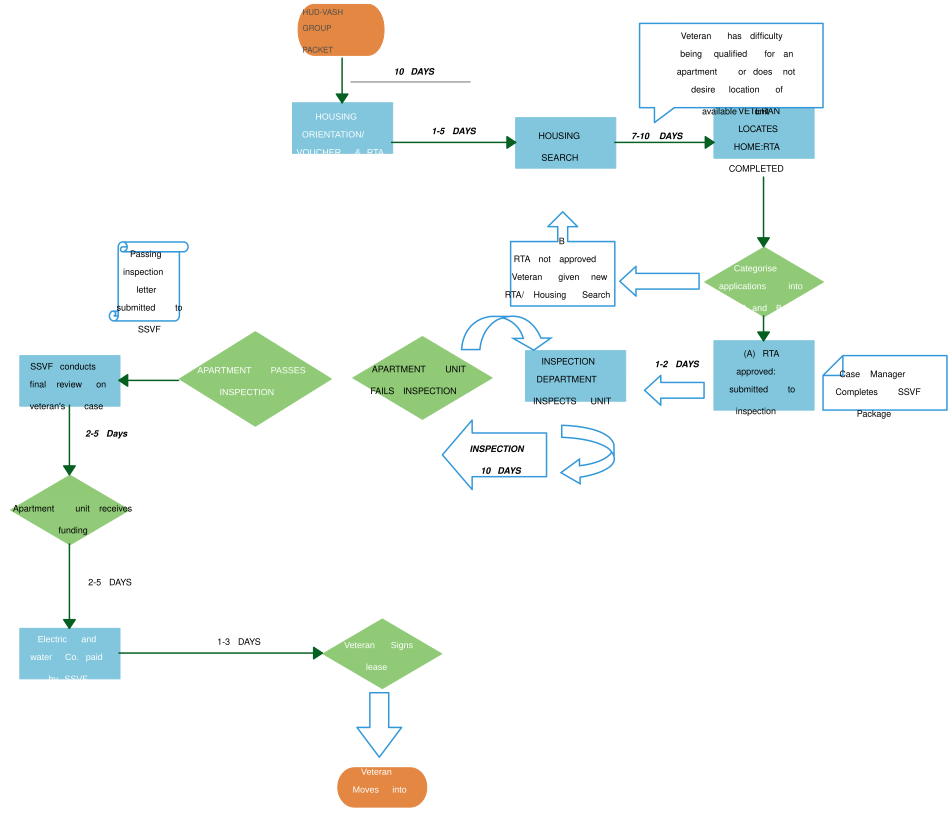
Access to the HUD-VASH Program begins through the Department of Veterans Affairs, not through the local housing authority. Veterans experiencing homelessness or imminent housing loss are first assessed by VA homeless services staff.
Referrals may come through VA medical centers, outreach teams, or the National Homeless Veterans Call Center, which operates 24 hours a day. VA clinicians evaluate eligibility, housing needs, and service requirements before determining whether HUD-VASH is the appropriate intervention.
Once referred, the Catawba County Housing Authority administers the housing voucher, conducts unit inspections, and works with landlords. VA case managers remain responsible for ongoing support after placement.
Eligibility Criteria and Prioritization
Eligibility for HUD-VASH generally requires verified military service other than dishonorable discharge and eligibility for VA healthcare. Veterans must also meet the federal definition of homelessness or be at immediate risk of becoming homeless.
Priority is typically given to veterans experiencing chronic homelessness or those with disabling conditions that make it difficult to remain housed without assistance. Housing officials emphasize that participation in case management is not optional.
The program does not impose sobriety or treatment prerequisites, consistent with Housing First principles, though veterans are encouraged to engage in services that support long-term stability.
A Veteran’s Path to Stability
For many veterans, the path to housing through HUD-VASH is not immediate. One Hickory-area veteran, who requested anonymity due to privacy concerns, described spending months moving between temporary arrangements before entering the program.
After connecting with a VA outreach worker, the veteran was referred to HUD-VASH and eventually secured a one-bedroom apartment. Regular visits from a VA case manager helped coordinate medical care and benefits enrollment.
Housing officials say such outcomes reflect the program’s core strength: sustained engagement rather than one-time assistance.
The Role of Case Management and Support Services
VA case management is widely viewed as central to HUD-VASH’s effectiveness. Case managers help veterans access physical and mental healthcare, manage benefits, and resolve conflicts with landlords when they arise.
The intensity of case management varies depending on individual needs. Some veterans require frequent in-person visits, while others transition to periodic check-ins as stability improves.
Housing experts note that this flexibility allows the program to adapt to veterans’ changing circumstances over time, reducing the likelihood of repeat homelessness.
Landlords, Housing Supply, and Local Constraints
Despite its benefits, HUD-VASH faces structural limitations. One of the most significant is housing supply. In Hickory, as in many communities, the number of landlords willing to accept vouchers can be limited.
Housing authorities offer incentives, including guaranteed rent payments and damage mitigation funds, but officials acknowledge that tight rental markets make recruitment difficult.
Local administrators say expanding landlord participation remains a priority, particularly as federal funding for vouchers increases.
Policy Effectiveness and Measured Outcomes
Studies of HUD-VASH have consistently found high housing retention rates compared with emergency shelters or transitional housing programs. Federal evaluations indicate that most participants remain housed for at least one year after placement.
Housing researchers caution, however, that outcomes depend heavily on local implementation, availability of services, and broader housing market conditions.
Still, HUD-VASH is widely cited by policymakers as one of the most successful federal homelessness interventions.
Criticism and Ongoing Challenges
While broadly supported, HUD-VASH is not without critics. Some housing advocates argue that administrative delays can leave veterans waiting months for placement. Others point to regional disparities in access, particularly in rural areas.
Funding levels, while increased in recent years, remain subject to congressional appropriations. Housing officials say predictable, long-term funding is critical to maintaining progress.
VA leaders acknowledge these challenges but maintain that HUD-VASH remains a cornerstone of federal efforts to end veteran homelessness.
What Comes Next for Hickory and Beyond
Looking ahead, local housing authorities expect demand for the HUD-VASH Program to remain strong as housing affordability pressures continue. Federal agencies have signaled ongoing support, though expansion will depend on available rental units and staffing capacity.
VA officials encourage veterans experiencing housing instability to seek help early, noting that prevention is often more effective and less costly than crisis response.
FAQ
What does HUD-VASH stand for?
HUD-VASH stands for HUD-Veterans Affairs Supportive Housing, a joint federal housing initiative.
Is HUD-VASH permanent housing?
Yes. The program is designed to provide long-term, stable housing with ongoing support.
Do veterans have to be living on the street to qualify?
No. Veterans staying temporarily with others or facing imminent eviction may also qualify.
Does HUD-VASH cover utilities?
Utility coverage varies by housing authority and local policy.