
The distinction between Section 8 vs. Public Housing affects more than housing choice; it shapes family stability, neighborhood access, and economic mobility for millions of Americans as rental costs rise faster than wages. Both programs are federally funded and locally administered, yet their structural differences continue to influence who benefits, where families live, and how long they wait for assistance.
Table of Contents
Section 8 vs. Public Housing
| Key Fact | Detail |
|---|---|
| Administering Agency | Local Public Housing Authorities |
| Households Served | Over 5 million combined |
| Tenant Rent Share | ~30% of adjusted income |
| Average Wait Time | Often 2–10 years |
A Housing System Under Pressure
Affordable housing shortages have intensified nationwide. According to data from the U.S. Department of Housing and Urban Development (HUD), rents increased faster than incomes in nearly every major metropolitan area over the past decade.
The federal government’s two primary rental assistance tools—Section 8 and public housing—were designed to stabilize low-income households. Yet demand has consistently outpaced supply.
A 2023 Government Accountability Office review found that fewer than one in four income-eligible households receives federal rental assistance, largely due to funding limitations rather than eligibility rules.
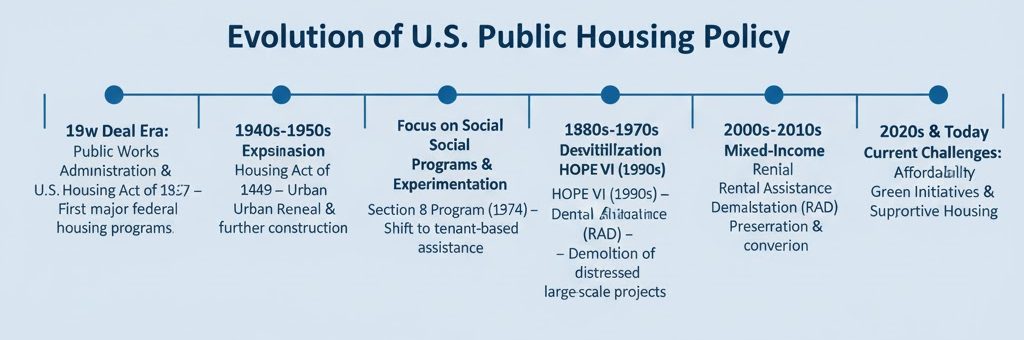
The Origins of Public Housing
Public housing emerged during the Great Depression as part of a broader federal effort to address unsafe urban living conditions and widespread unemployment. Early developments were intended to replace substandard housing while providing construction jobs.
Over time, public housing became closely associated with concentrated poverty, particularly after mid-20th-century urban disinvestment and suburbanization reduced tax bases in many cities.
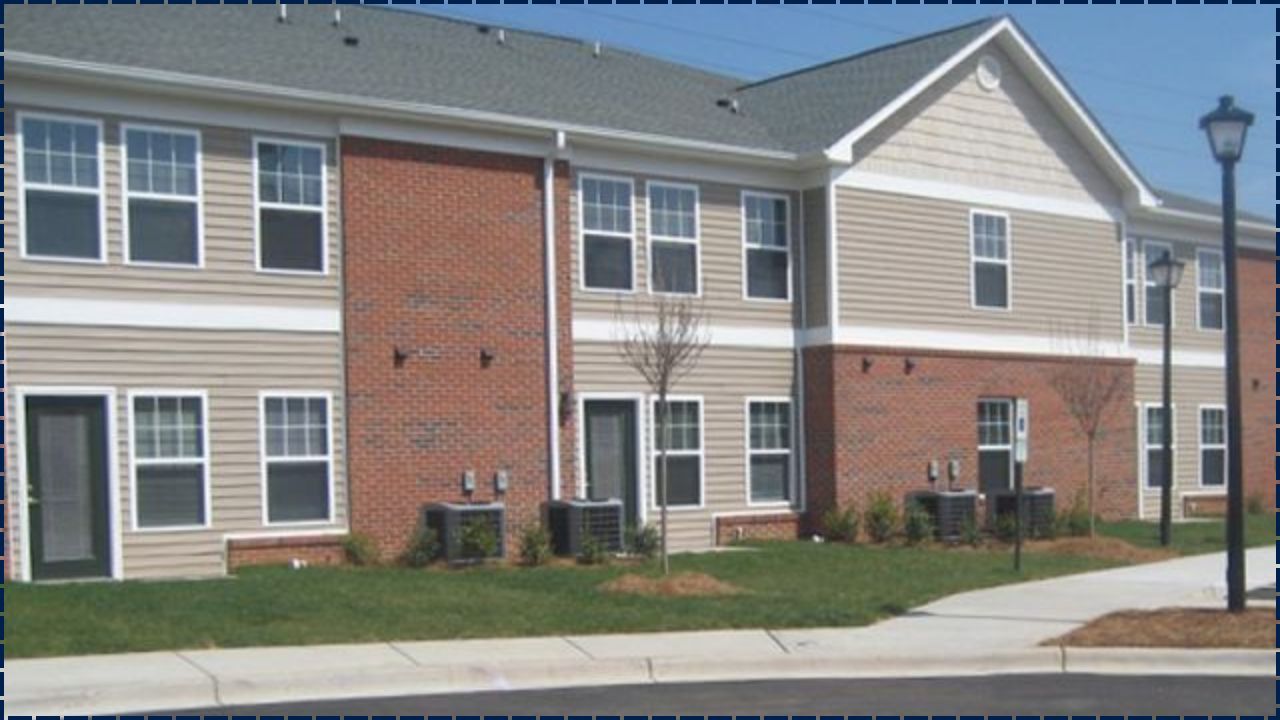
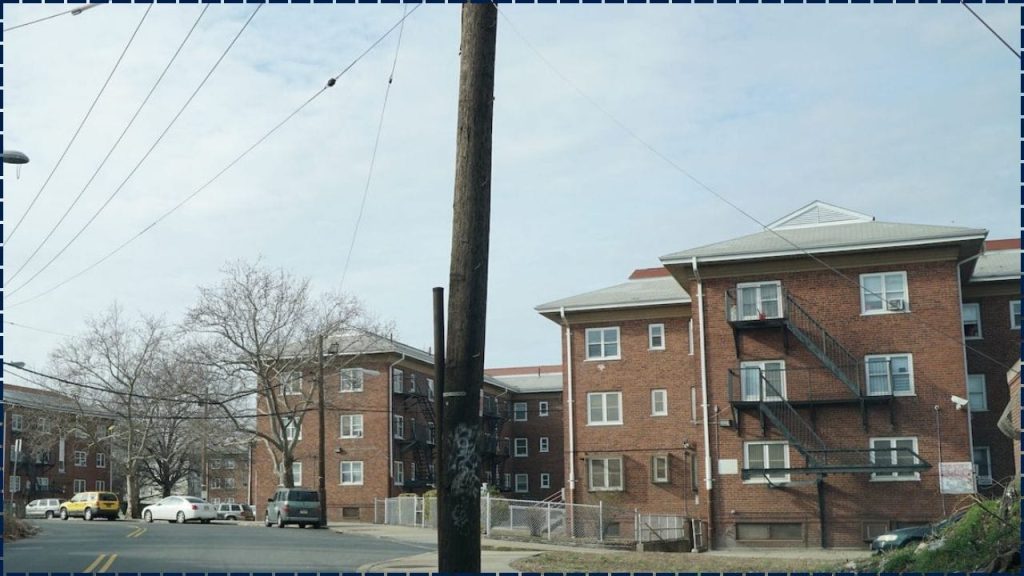
Today, public housing developments range widely in quality. Some have benefited from redevelopment and modernization, while others face aging infrastructure and deferred maintenance.
HUD data show the average public housing building is more than 40 years old.
The Rise of Section 8 and the Shift Toward Vouchers
The Housing Choice Voucher Program, commonly referred to as Section 8, was expanded in the 1970s as policymakers sought alternatives to large-scale public housing developments.
The voucher model aimed to leverage the private rental market, allowing families to choose where they live rather than being assigned a unit.
Supporters argued that vouchers would reduce concentrated poverty and offer families access to neighborhoods with better schools and employment opportunities.
“Vouchers were intended to promote choice and integration,” said Dr. Ingrid Gould Ellen, an urban policy expert at New York University. “But that promise depends heavily on market conditions.”
How Section 8 Works in Practice
Section 8 participants receive a subsidy that bridges the gap between what they can afford and local market rents. Housing authorities calculate payment standards based on regional fair market rents.
Tenants typically pay about 30 percent of their income toward rent. HUD pays the remainder directly to landlords.
However, voucher holders must find a unit that passes inspection and whose landlord agrees to participate.
In tight rental markets, that search can take months.
The Landlord Perspective
Landlord participation remains a central challenge for Section 8.
Some property owners cite administrative delays, inspection requirements, and rent caps as reasons for opting out.
Others say vouchers provide reliable income.
“Once the lease is in place, payments are consistent,” said James Carter, a small-scale landlord in Ohio who rents to voucher holders. “The paperwork upfront is the hardest part.”
Several states and cities have passed source-of-income discrimination laws that prohibit landlords from refusing tenants solely because they use housing vouchers. Enforcement, however, varies.
Public Housing: Stability With Constraints
Public housing offers predictability. Tenants do not compete in the private market or negotiate lease terms.
For seniors and people with disabilities, proximity to services and transportation can be a significant advantage.
Yet public housing residents often have limited mobility. Moving to a different neighborhood usually means relinquishing assistance.
Maintenance concerns also persist. HUD estimates a multibillion-dollar backlog in capital repairs across the public housing system.
Quality, Safety, and Oversight
Both programs require housing units to meet federal safety standards. Inspections are conducted regularly, though enforcement challenges remain.
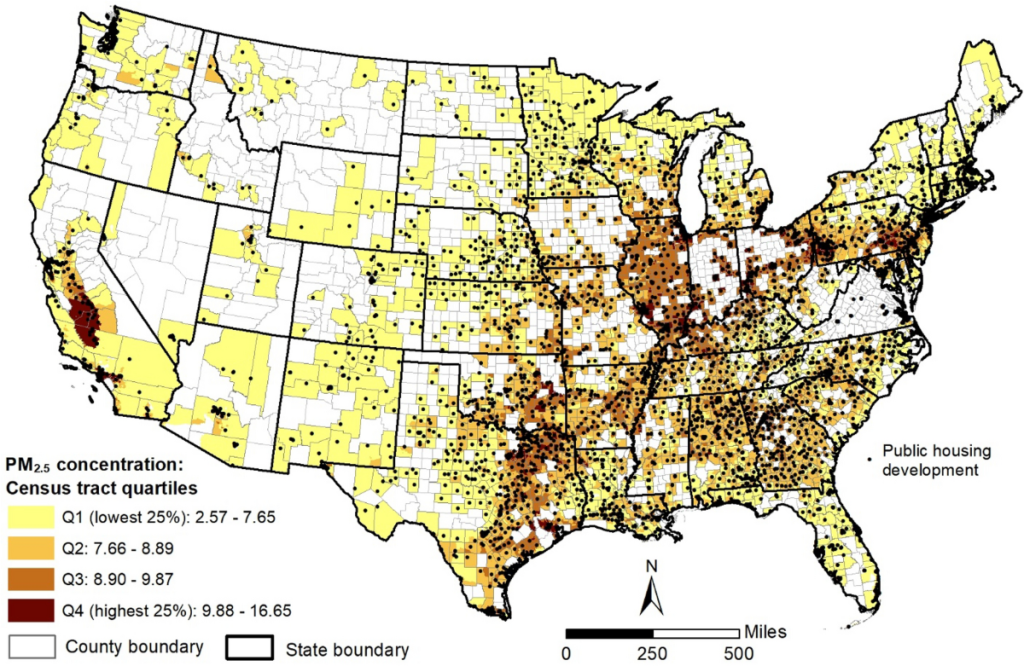
High-profile failures, such as lead contamination cases in public housing developments, have drawn national attention and congressional scrutiny.
HUD officials say inspection protocols have been strengthened, but housing advocates argue that staffing shortages limit oversight effectiveness.
Regional Disparities
The experience of Section 8 vs. Public Housing varies sharply by location.
In high-cost cities such as New York and San Francisco, voucher payment standards often lag behind market rents, limiting housing options.
In rural areas, fewer landlords and housing units reduce choice under both programs.
Waiting lists reflect these disparities. Some housing authorities report wait times exceeding a decade.
Racial and Economic Equity Dimensions
Research from the Urban Institute and Harvard University’s Joint Center for Housing Studies shows that Black and Hispanic households are disproportionately represented among recipients of federal housing assistance.
Studies also indicate that voucher holders are more likely than public housing residents to move to lower-poverty neighborhoods, though barriers persist.
“Structural segregation still limits outcomes,” said Dr. Margery Turner, a housing policy researcher. “Vouchers alone cannot overcome exclusionary zoning or discrimination.”
Policy Debate and Reform Efforts
Lawmakers from both parties have proposed reforms aimed at expanding housing supply and improving assistance effectiveness.
Proposals include:
- Increasing voucher payment standards
- Incentivizing landlord participation
- Modernizing public housing infrastructure
- Expanding mixed-income redevelopment programs
Funding remains the primary obstacle. Housing advocates note that rental assistance receives a smaller share of federal spending compared with entitlement programs.
International Comparisons
Other high-income countries rely more heavily on social housing or direct rent controls.
In countries such as Austria and the Netherlands, public or nonprofit housing accounts for a much larger share of the rental market.
U.S. housing experts caution that structural and political differences limit direct comparisons, but note that broader supply strategies may ease pressure on assistance programs.
What Applicants Should Know
Housing authorities typically allow families to apply for both programs. Placement depends on availability, preferences, and eligibility verification.
Applicants must report income changes and comply with lease requirements.
Failure to meet program rules can result in termination of assistance.
Looking Ahead
As inflation and population growth continue to strain housing markets, demand for federal rental assistance is expected to rise.
HUD officials say long-term solutions require increased housing production alongside rental aid.
“The programs are critical, but they cannot substitute for supply,” Ellen said.
For millions of families, the choice between Section 8 vs. Public Housing remains less about preference and more about availability.
FAQ
Which program offers faster access?
Access depends on local waitlists, which are often years long for both programs.
Can families switch programs later?
In limited cases, public housing residents may transition to vouchers, but availability is constrained.
Are employment changes allowed?
Yes. Income changes must be reported, and rent contributions adjust accordingly.
Do both programs allow family growth?
Yes, but unit size standards apply.