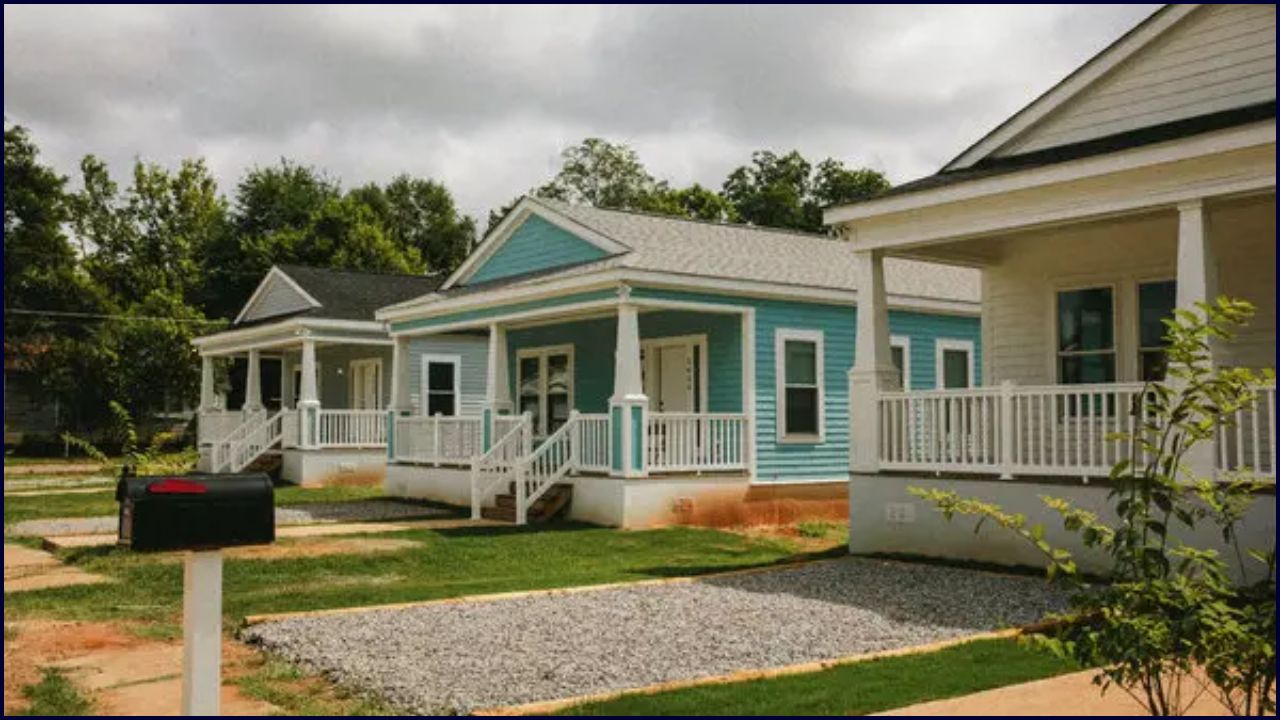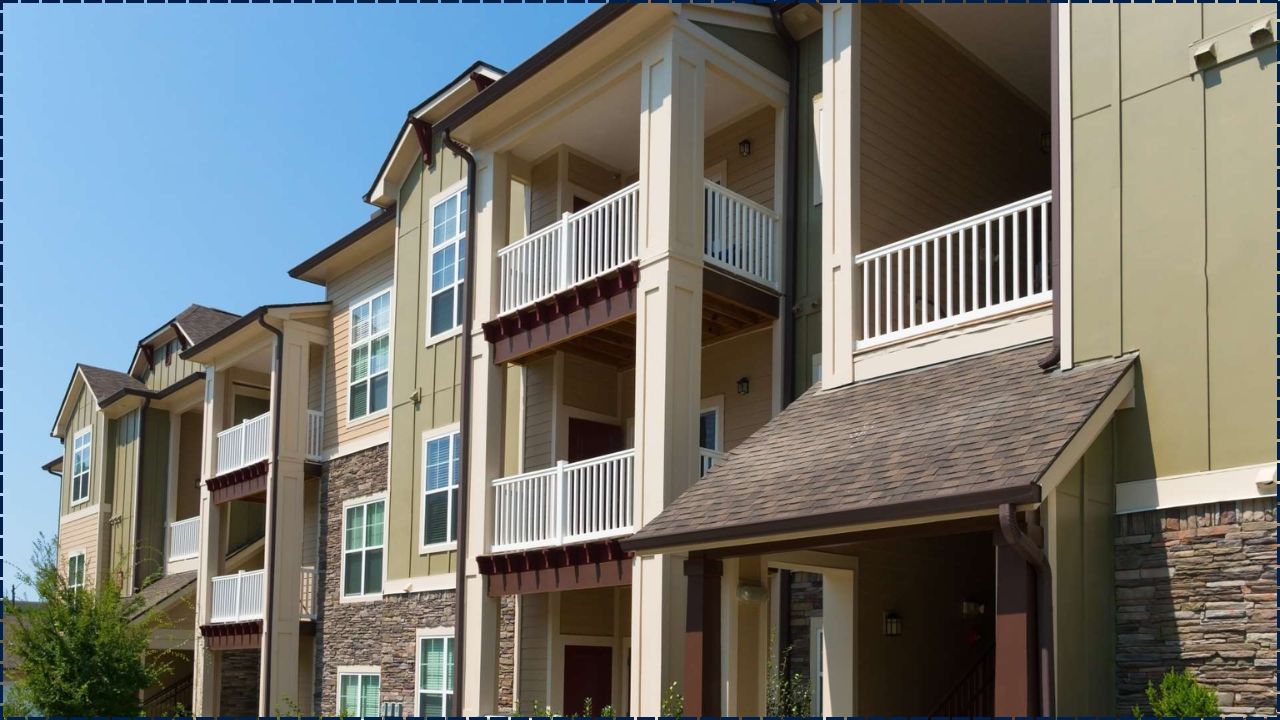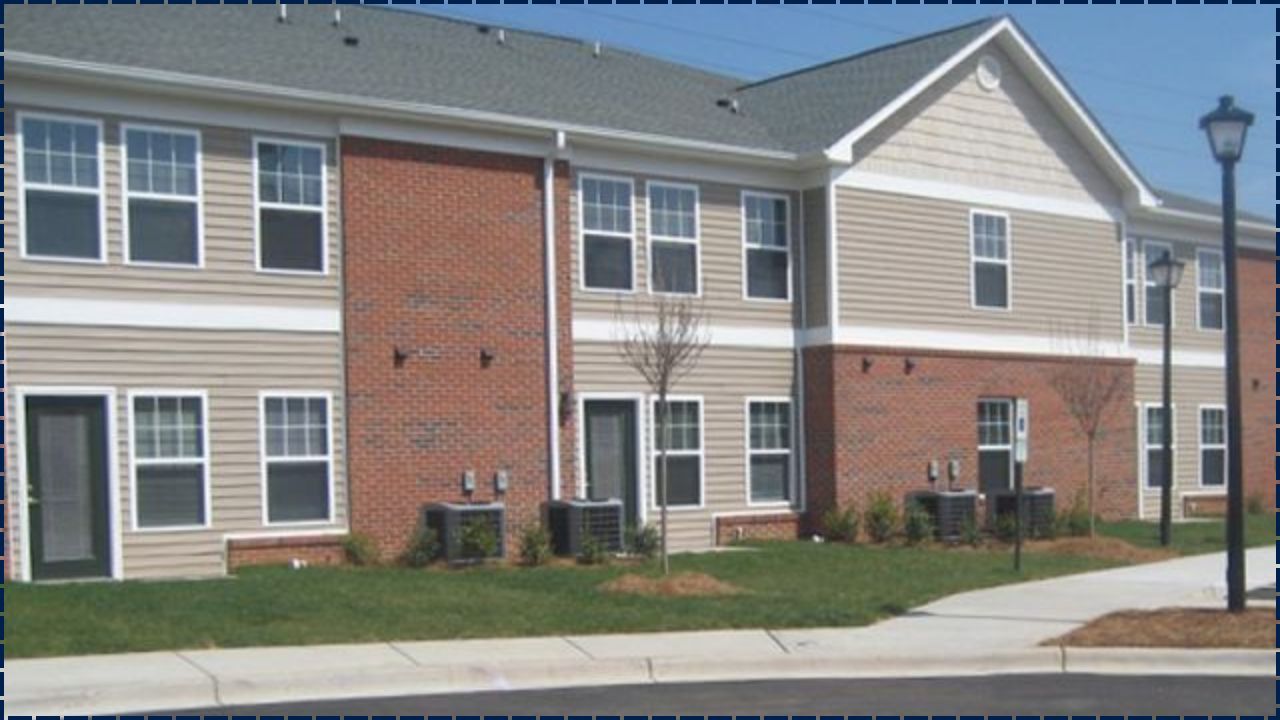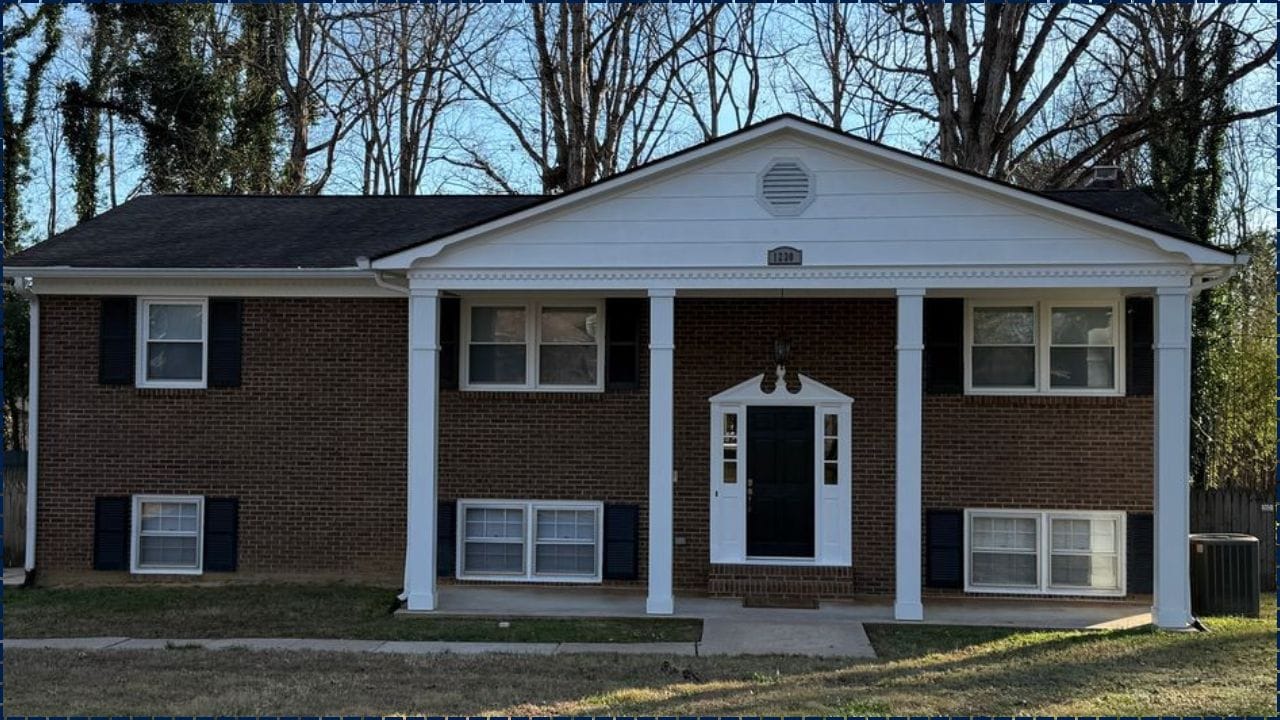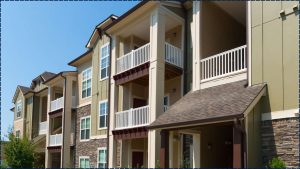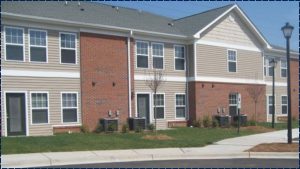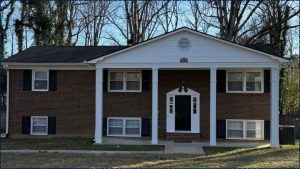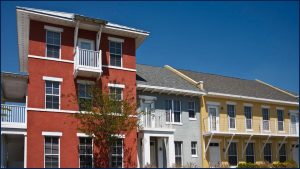

A Transitional Housing Guide explains how Exodus Homes, Family Care Center, and Safe Harbor provide structured, time-limited housing paired with support services for people emerging from homelessness, family instability, and interpersonal violence. These programs play a critical role in helping individuals and families stabilize their lives before moving into permanent housing.
Table of Contents
Understanding Transitional Housing in the Broader Housing System
Transitional housing occupies a distinct space between emergency shelter and permanent housing. It is designed for people who are no longer in immediate crisis but are not yet prepared for independent living. Unlike shelters, which often operate on a nightly or short-term basis, transitional housing allows residents to stay for months or longer while receiving structured support.
Programs typically include private or semi-private living spaces, case management, and requirements tied to employment, education, budgeting, or recovery. The focus is not only housing stability, but also the skills and resources needed to maintain housing long term.
This Transitional Housing Guide focuses on three organizations that illustrate how transitional housing adapts to different populations: single adults rebuilding their lives, families with children facing homelessness, and survivors of domestic or sexual violence.
Exodus Homes: Structured Housing for Adults Rebuilding Stability
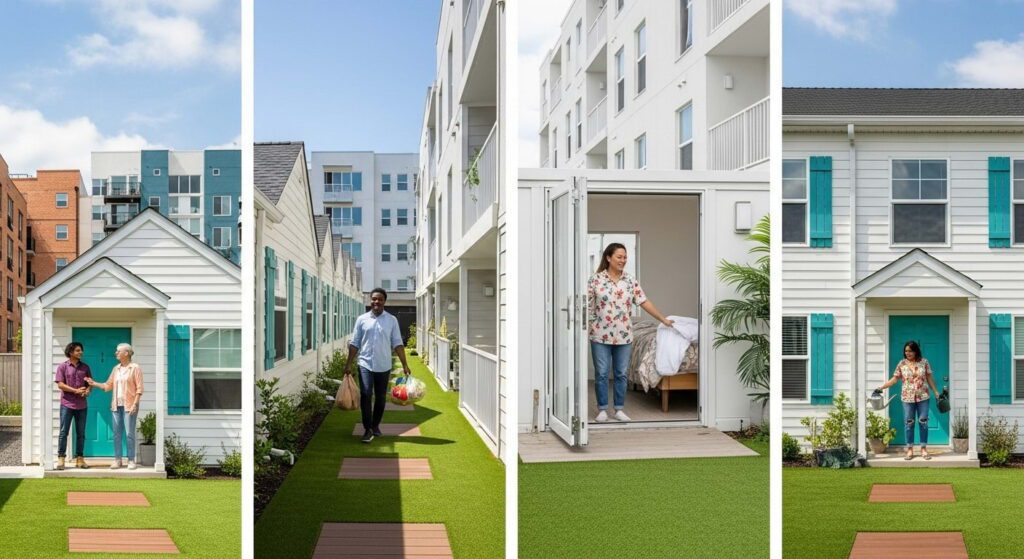
Exodus Homes serves adults who face complex barriers to stability, including homelessness, substance use recovery, and reentry after incarceration. Its approach centers on structure, accountability, and gradual independence.
Residents typically live in shared housing environments governed by clear expectations. Daily routines, curfews, and participation requirements are central features of the program. The structure is designed to help residents rebuild habits and stability that may have been disrupted by addiction, incarceration, or prolonged housing insecurity.
Employment is a key component. Residents are encouraged, and often required, to work or participate in job training. Financial education and budgeting support help participants learn how to manage income and prepare for independent living.
Support services commonly include peer accountability, mentorship, and group meetings. The environment emphasizes personal responsibility while providing consistent oversight. Progress through the program is often measured by sustained employment, adherence to program rules, and demonstrated readiness for less supervised housing.
Exodus Homes primarily serves single adults who can participate fully in program expectations and who are seeking a structured pathway toward independence.
Family Care Center: Transitional Housing Designed for Families With Children
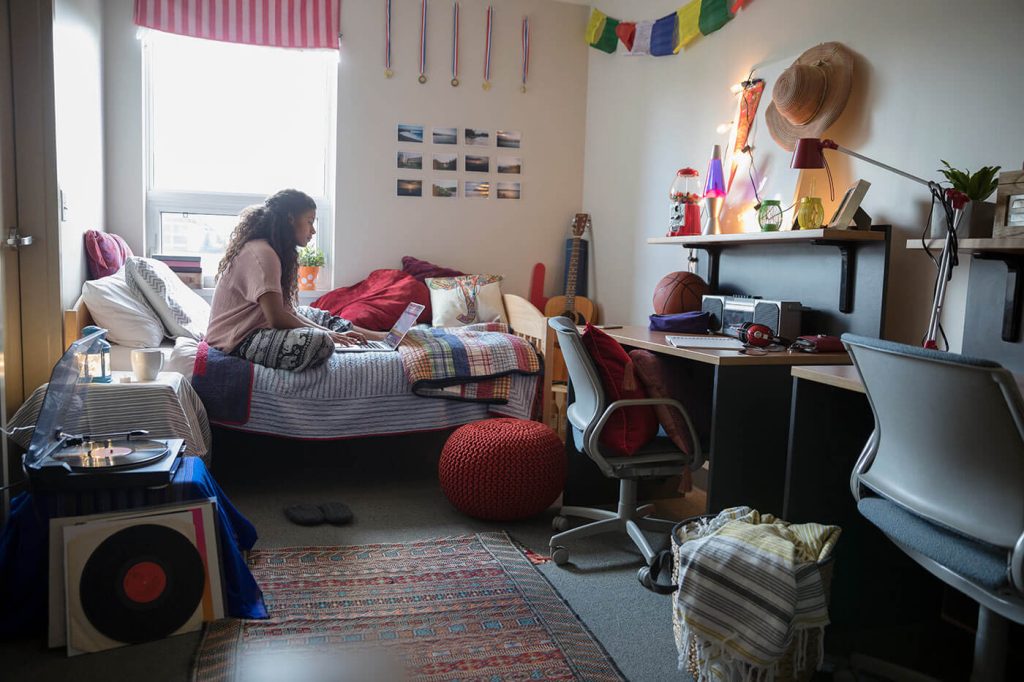
Family Care Center focuses on families experiencing homelessness, with particular attention to the needs of children. Its programs recognize that housing instability affects entire family systems and can disrupt education, employment, and child development.
Families often enter through an emergency shelter phase, where immediate housing needs are addressed. From there, eligible families may move into transitional housing, typically in furnished apartments or houses. This structure allows families to remain together in a more stable environment while working toward long-term housing.
Case management is central to the program. Parents meet regularly with staff to address employment, income, budgeting, childcare, and long-term housing plans. Families are often required to save a portion of their income during their stay, helping them prepare for future housing costs.
The program emphasizes responsibility while providing support. As families’ financial situations improve, they may take on greater responsibility for utilities or program fees. This gradual transition mirrors the financial realities of permanent housing.
By reducing housing instability, Family Care Center aims to improve outcomes not only for parents, but also for children, who benefit from consistent schooling and routines.
Safe Harbor: Transitional Housing Focused on Safety and Recovery
Safe Harbor provides housing and support for survivors of domestic violence, sexual assault, stalking, and related forms of abuse. Transitional housing is a critical step for survivors who have left emergency shelters but are not yet ready for permanent housing.
Safety and privacy are core principles. Housing locations are often confidential, and residents receive support in safety planning. Unlike emergency shelters, transitional housing allows survivors to live more independently while still accessing services.
Programs typically include trauma-informed case management, counseling referrals, and assistance with legal, employment, and financial matters. Survivors may receive help securing protective orders, finding employment, or enrolling in education programs.
Financial assistance often decreases gradually as residents become more stable. This approach allows survivors to rebuild independence at a manageable pace while maintaining access to support.
Safe Harbor’s transitional housing model recognizes that recovery from violence takes time. Stability, safety, and choice are emphasized throughout the program.
How Transitional Housing Programs Differ by Population
| Program Type | Primary Population | Core Priorities |
|---|---|---|
| Exodus Homes | Single adults | Structure, recovery, employment |
| Family Care Center | Families with children | Family stability, savings, housing readiness |
| Safe Harbor | Survivors of violence | Safety, trauma recovery, independence |
While the populations differ, all three programs share a common goal: helping residents move from instability to self-sustaining housing.
The Role of Case Management and Support Services
Housing alone is rarely enough to ensure long-term stability. Transitional housing programs rely heavily on case management to help residents navigate barriers such as unemployment, debt, legal issues, or trauma.
Case managers typically work with residents to set goals, track progress, and connect them to community resources. This may include job placement services, educational programs, healthcare, childcare, or counseling.
The structured nature of transitional housing allows providers to monitor progress and intervene early when challenges arise. This ongoing support distinguishes transitional housing from short-term shelter models.
Funding and Sustainability Challenges
Transitional housing programs often rely on a mix of public funding, private donations, and grants. Funding levels can affect the number of units available, length of stay, and services offered.
Rising housing costs and increased demand have placed pressure on many programs. Limited funding means waitlists are common, and not everyone who qualifies can be served immediately.
Programs must also balance accountability with flexibility. Residents face real-life challenges, and providers often work to support progress while maintaining program standards.
How to Prepare for Transitional Housing
People seeking transitional housing are typically expected to demonstrate readiness to participate. While requirements vary, common expectations include:
- Willingness to engage in case management
- Participation in employment, education, or recovery activities
- Compliance with program rules and schedules
- Commitment to saving or budgeting goals
Applicants are often asked to provide identification, proof of income or benefits, and documentation of housing need or crisis circumstances.
Transitional Housing Within the Housing Continuum
Transitional housing is one part of a broader housing system that includes emergency shelter, rapid rehousing, permanent supportive housing, and market-rate housing. Each serves a different purpose.
For many people, transitional housing provides the stability and time needed to move successfully into permanent housing. Without it, individuals and families may cycle repeatedly through shelters or unstable living situations.
FAQ
How long can someone stay in transitional housing?
Length of stay varies by program and individual progress, often ranging from several months to a year or more.
Is transitional housing free?
Some programs are free initially, while others require gradual financial contributions as income increases.
Can children live in transitional housing?
Yes. Many programs, including family-focused and survivor-focused housing, are designed specifically for families with children.
Is transitional housing permanent?
No. It is time-limited and designed to prepare residents for independent living.
Looking Ahead
As communities continue to face housing shortages and economic pressures, transitional housing remains a critical bridge between crisis and stability. Programs such as Exodus Homes, Family Care Center, and Safe Harbor illustrate how targeted support, paired with housing, can help individuals and families rebuild their lives and move toward long-term independence.