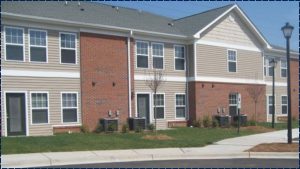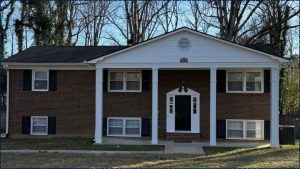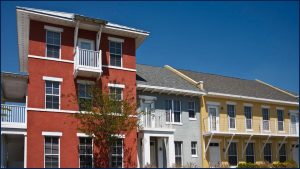

Housing Quality Standards inspections determine whether rental homes in North Carolina meet federally required safety and habitability rules for subsidized housing programs. Administered locally but governed by national regulations from the U.S. Department of Housing and Urban Development, these inspections directly affect landlords, tenants, and public housing authorities across the state.
Table of Contents
Housing Quality Standards
| Key Area | Detail |
|---|---|
| Governing Body | U.S. Department of Housing and Urban Development (HUD) |
| Applies To | Housing Choice Voucher (Section 8) units |
| Inspection Timing | Initial, annual, or complaint-based |
| Most Common Failures | Smoke alarms, utilities, electrical hazards |
What Are Housing Quality Standards?
Housing Quality Standards are a set of minimum physical conditions that rental housing must meet to qualify for federal housing assistance. HUD created the standards to ensure that public funds support housing that is safe, sanitary, and structurally sound.
The rules apply nationwide, but enforcement occurs at the local level through public housing authorities (PHAs). In North Carolina, dozens of PHAs—ranging from large city agencies to small county offices—conduct inspections using the same federal framework.
According to HUD, the standards are designed to protect residents from serious health and safety risks while maintaining accountability for properties supported by taxpayer dollars.
Why Housing Quality Standards Exist
The HQS system emerged from decades of federal housing policy aimed at correcting unsafe living conditions in subsidized housing. Prior to standardized inspections, enforcement varied widely, and some assisted units fell into disrepair without consistent oversight.
Housing advocates argue that HQS inspections serve as a safeguard for low-income renters, who may otherwise lack leverage to demand repairs. Landlord groups, however, have long raised concerns about inspection delays, inconsistent enforcement, and administrative burdens.
Despite criticism, HUD continues to rely on Housing Quality Standards as the foundation of its tenant-based rental assistance programs.
How HQS Inspections Are Conducted in North Carolina
In North Carolina, HQS inspections are scheduled and performed by local housing authorities rather than state agencies. While inspectors follow HUD rules, procedural details—such as scheduling windows or documentation—can vary by jurisdiction.
Inspections typically occur:
- Before a voucher-assisted tenant moves in
- Annually or biennially during tenancy
- After tenant complaints
- Following reported emergencies or repairs
Utilities must be active during the inspection, regardless of who pays for them under the lease. Inspectors must be able to test heating systems, plumbing, electrical outlets, and appliances.
Failure to provide access or utilities can result in an automatic inspection failure.
Step-by-Step: What Happens During an HQS Inspection
Arrival and Documentation
Inspectors begin by confirming property details, unit number, and tenant or landlord presence. Someone aged 18 or older must be present to allow access.
Interior Inspection
Inspectors move room by room, checking:
- Electrical outlets and lighting
- Windows and doors
- Floors, walls, and ceilings
- Smoke and carbon monoxide detectors
Bathrooms and kitchens receive particular scrutiny due to plumbing, sanitation, and fire risks.
Exterior and Common Areas
Inspectors also assess:
- Entryways and stairwells
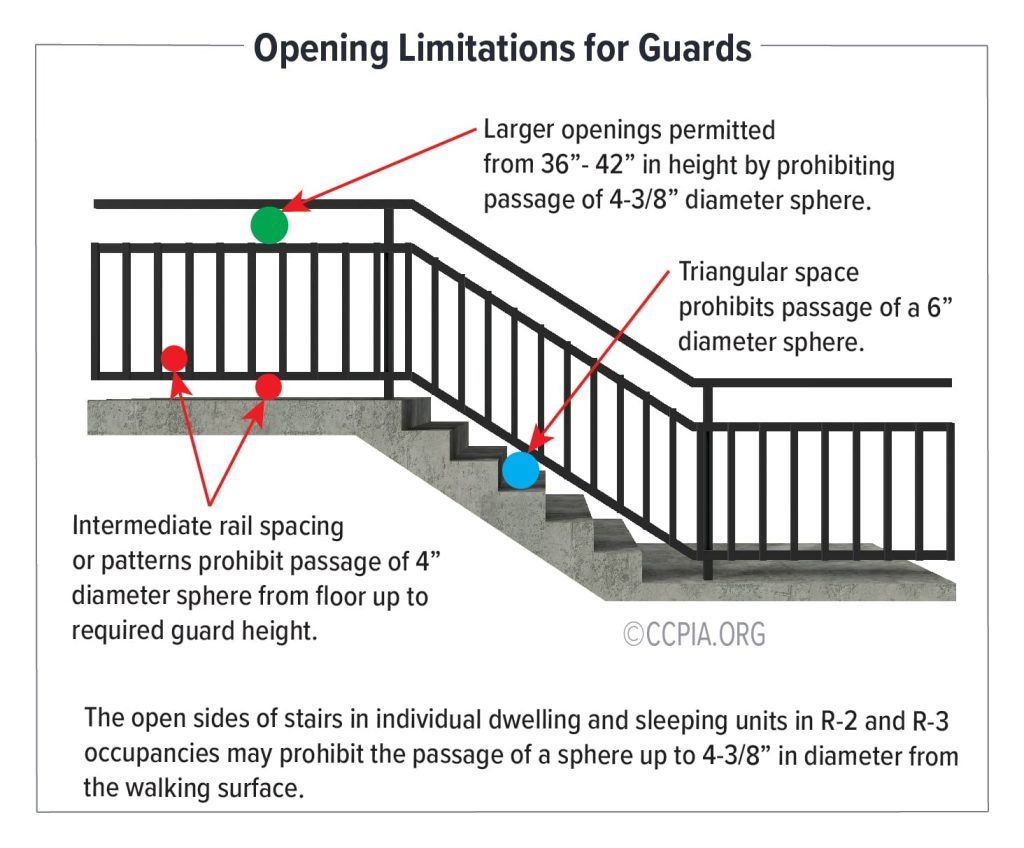
- Handrails and guardrails
- Trash disposal areas
- Signs of structural deterioration
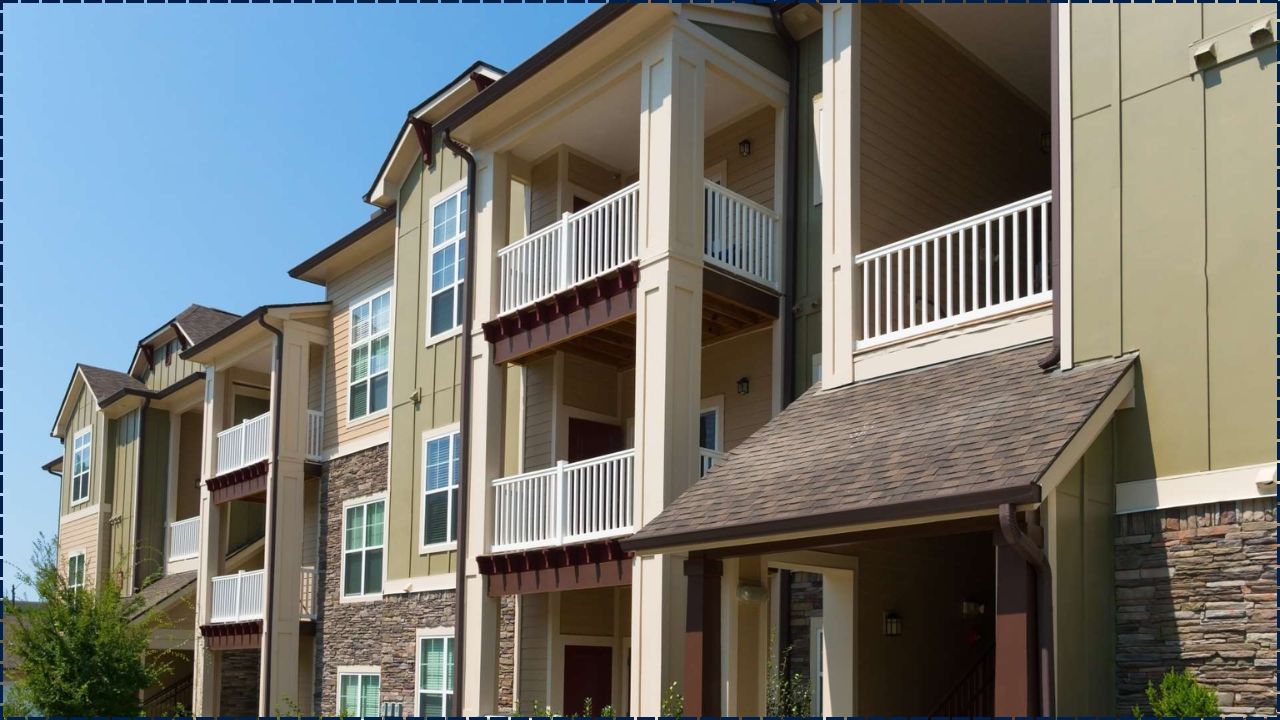
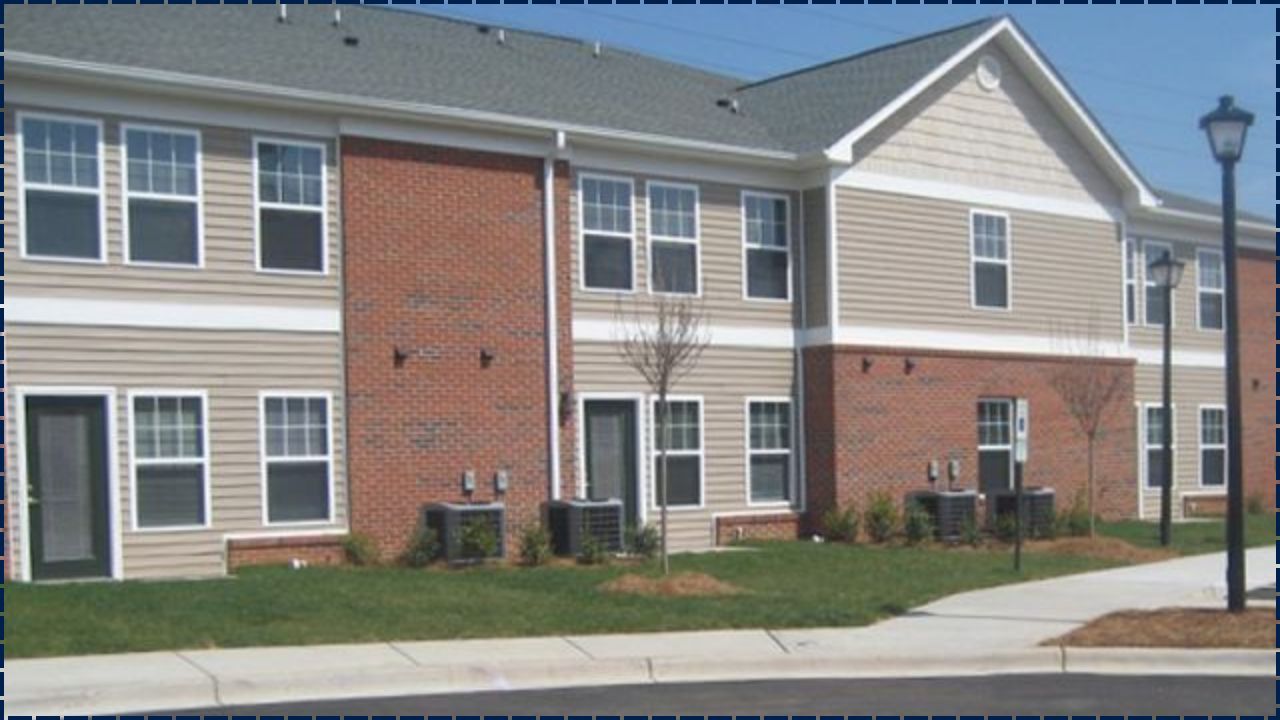
For multi-unit buildings, common areas must also meet Housing Quality Standards.
Core Areas of Compliance Under Housing Quality Standards
Health and Life Safety
Life-threatening hazards receive the highest priority under HQS rules. Missing smoke detectors, gas leaks, or exposed wiring often result in immediate failure.
Inspectors check that smoke alarms are installed on every level of the unit and that carbon monoxide detectors are present where required by law.
Sanitation and Plumbing
Units must have:
- A working flush toilet
- A sink with hot and cold running water
- A tub or shower in proper working order
Leaks, water damage, or mold conditions linked to plumbing issues can trigger violations.
Kitchen and Appliance Standards
The kitchen must include:
- A functioning sink
- A stove and oven
- A refrigerator
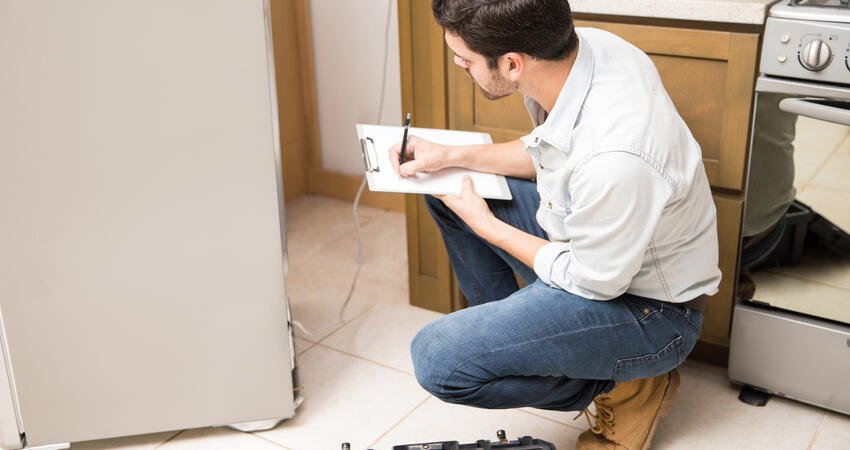
All appliances must operate safely. Non-working stoves or missing refrigerators remain among the most frequent causes of failed inspections statewide.
Heating and Structural Integrity
Every unit must have a permanent heating system capable of maintaining safe indoor temperatures. Space heaters do not qualify.
Inspectors also evaluate roofs, foundations, walls, and ceilings for hazards such as collapse risk, water intrusion, or deteriorating materials.
Common Reasons Units Fail HQS Inspections
Housing authorities in North Carolina consistently report that many inspection failures involve relatively minor issues that could have been prevented.
Frequent failure points include:
- Missing or non-functional smoke alarms
- Utilities not turned on
- Broken window locks
- Loose outlet covers
- Dripping faucets or slow drains
While these issues may appear small, inspectors note that HUD rules require strict compliance.
Who Is Responsible for Repairs?
Landlord Responsibilities
Landlords are responsible for maintaining the unit in compliance with Housing Quality Standards. This includes structural components, appliances, utilities, and safety systems.
Failure to complete repairs within required deadlines can lead to suspended housing assistance payments.
Tenant Responsibilities
Tenants may be held responsible for damages they cause, such as broken fixtures or disabled smoke alarms. However, housing authorities determine responsibility on a case-by-case basis.
Disputes over responsibility can delay re-inspections and payment reinstatement.
What Happens After a Failed Inspection
When a unit fails, the housing authority issues a written notice outlining required corrections and deadlines. The timeline depends on the severity of the violations.
- Life-threatening issues may require correction within 24 hours
- Non-emergency items often allow up to 30 days
If repairs are not completed on time, housing assistance payments may stop until the unit passes re-inspection.
Regional Differences Across North Carolina
Although Housing Quality Standards are federal, enforcement practices can vary across North Carolina due to staffing levels, inspection volume, and local policies.
Urban housing authorities often manage thousands of inspections annually, while rural counties may have smaller inspection teams and longer scheduling windows.
Housing officials acknowledge that while standards remain consistent, procedural differences can affect landlord and tenant experiences.
Housing Quality Standards and Future Inspection Reforms
HUD is gradually transitioning toward a newer inspection framework known as the National Standards for the Physical Inspection of Real Estate (NSPIRE). The updated system aims to simplify inspections and focus more heavily on resident safety.
However, Housing Quality Standards remain the governing rules for many voucher programs, and full implementation of new standards will take time.
Until then, HQS inspections continue to shape access to rental assistance across North Carolina.
Why Housing Quality Standards Matter
For tenants, Housing Quality Standards serve as a baseline guarantee of safe living conditions. For landlords, compliance determines eligibility for reliable federal rental payments.
Housing officials emphasize that the standards are not intended to enforce luxury housing conditions, but rather to prevent serious health and safety risks.
As housing affordability pressures increase, the role of HQS inspections in maintaining safe rental housing remains a central issue in North Carolina’s housing landscape.
FAQ
Do Housing Quality Standards apply to all rentals?
No. HQS applies only to properties receiving HUD housing assistance.
Can a tenant fail an inspection?
Tenants cannot fail an inspection directly, but tenant-caused damage may result in required repairs.
How long does re-inspection take?
Timelines vary by housing authority and inspection volume.