
Can tiny homes solve homelessness? That exact question has moved from kitchen‑table talk to city council chambers across the United States. As housing costs climb, wages lag, and homelessness reaches historic highs, tiny homes have stepped into the spotlight as a possible way forward. Some folks call them a lifeline. Others call them a band‑aid. The truth, like most things in life, sits somewhere in the middle. Speaking as someone who has spent years working alongside housing advocates, planners, and community leaders, I’ve seen what happens when ideas are rushed—and what happens when they’re rooted in respect, culture, and long‑term vision. Tiny homes are not just about square footage. They’re about belonging, dignity, and pathways home.
Table of Contents
Can Tiny Homes Solve Homelessness?
So, can tiny homes solve homelessness? No—not by themselves. But they can save lives, restore dignity, and create breathing room while larger housing solutions are built. When rooted in community values, supported by services, and linked to permanent housing, tiny homes become more than shelters. They become stepping stones home. In our traditions, we say you don’t fix a broken path by ignoring it—you fix it step by step. Tiny homes are one of those steps. Not the whole journey, but an important part of the walk.
| Focus Area | Key Data & Insights |
|---|---|
| Total U.S. Homeless Population | Over 770,000 people nationwide |
| Tiny Home Villages (U.S.) | 120+ active villages, with more planned |
| Average Tiny Home Size | 200–300 sq. ft. |
| Average Cost per Unit | $20,000–$35,000 (excluding land) |
| Exit to Permanent Housing | Up to 60%+ in well‑run programs |
| Common Support Services | Case management, mental health care, job support |
| Official Reference | HUD Homelessness Data: https://www.hud.gov/homeless |
Understanding the Bigger Picture of Homelessness in the U.S.
Before we talk solutions, we need to understand the ground we’re standing on.
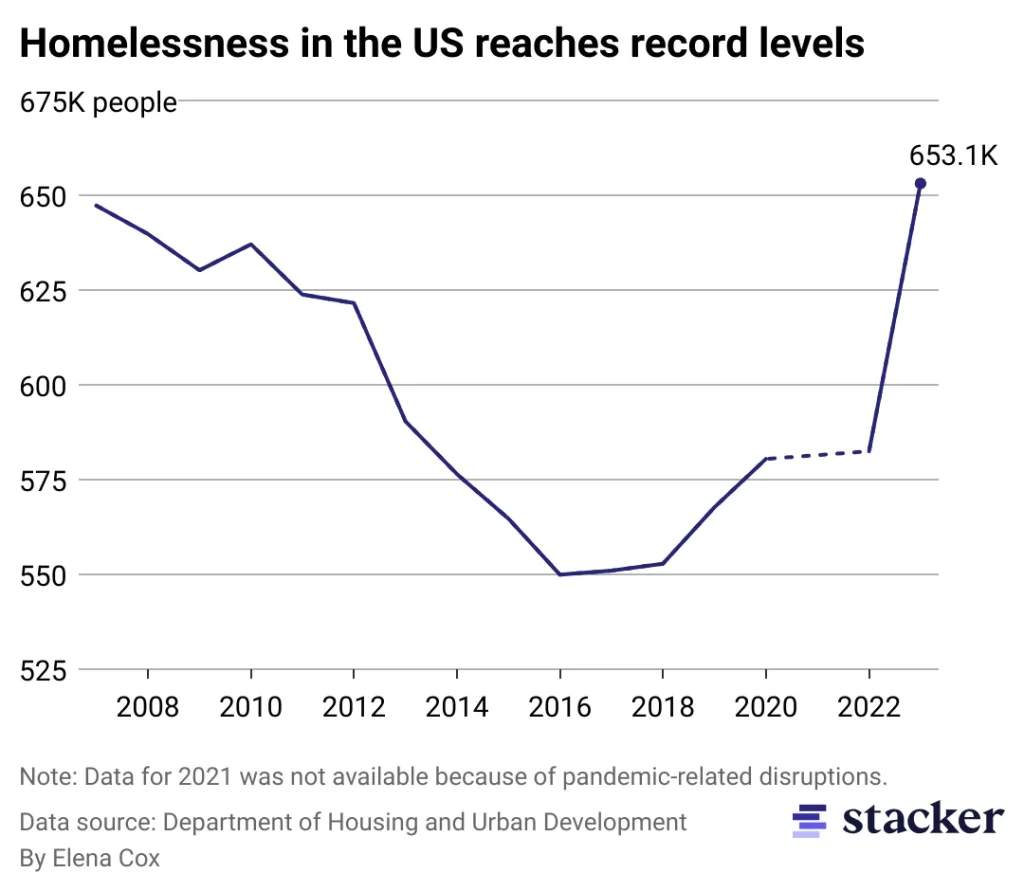
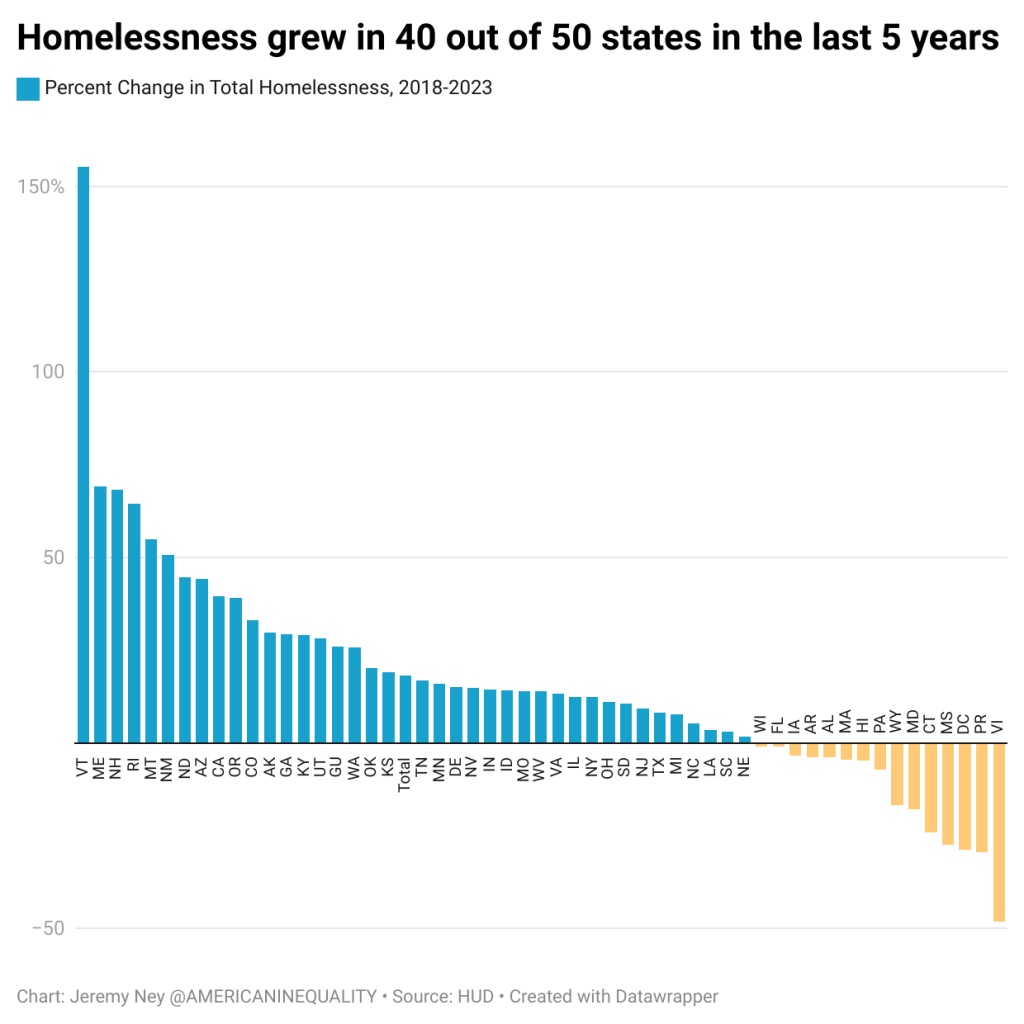
According to the U.S. Department of Housing and Urban Development (HUD), more than 770,000 people experienced homelessness in the United States in the most recent national count. That number includes families with children, elders, veterans, and young adults aging out of foster care.
This rise didn’t happen overnight. It’s tied to:
- A shortage of affordable housing
- Rising rents and home prices
- Stagnant wages
- Mental health and substance‑use challenges
- Natural disasters and climate displacement
For Native and Indigenous communities, homelessness often intersects with historical displacement, underfunded housing on tribal lands, and limited access to services. That context matters when we talk about solutions.
What Exactly Is a Tiny Home Village?
A tiny home village is not just a row of small houses. At its best, it’s a planned community designed to help people move from crisis to stability.
Most villages include:
- Individual tiny homes with locking doors
- Shared or private bathrooms
- Community kitchens or meal programs
- Case management offices
- Outdoor gathering spaces
The homes themselves are small, yes—but they offer something many shelters cannot: privacy and control. For someone who has lived outdoors or in overcrowded shelters, having a door that locks can be life‑changing.
Can Tiny Homes Solve Homelessness: Why Communities Are Turning to Tiny Homes
Speed Matters
Traditional affordable housing can take 5–10 years to plan and build. Tiny homes can often be deployed in months, not years. When winter is coming or encampments are being cleared, speed saves lives.
Cost Efficiency
In many major cities, a single permanent supportive housing unit can cost hundreds of thousands of dollars to build. Tiny homes cost far less per unit, allowing communities to help more people with limited funds.
Human Dignity
This part doesn’t show up neatly in spreadsheets. People who move into tiny homes often report:
- Better sleep
- Improved mental health
- Greater willingness to engage with services
That stability becomes the first step toward long‑term housing.
Can Tiny Homes Solve Homelessness?
The short answer: sometimes, and especially when done right.
In cities like Seattle, nonprofit‑run tiny home villages report that over half of residents eventually move into permanent housing. That success depends heavily on what surrounds the homes.
Tiny homes alone do not fix homelessness. Tiny homes plus support services can.
The Role of Wrap‑Around Services
Here’s where many programs succeed—or fail.
Strong tiny home villages provide:
- Case managers who help residents find housing
- Mental health counseling
- Help with IDs, benefits, and job searches
- Connections to healthcare providers
Without these supports, tiny homes risk becoming long‑term holding spaces instead of bridges forward.
Economic Impact on Cities and Neighborhoods
From a professional standpoint, it’s important to talk dollars and cents.
Public Cost Savings
Research shows that people experiencing chronic homelessness often cycle through:
- Emergency rooms
- Jails
- Crisis services
These systems are expensive. Housing someone—even in a tiny home—can cost less than leaving them unhoused.
Local Economic Activity
Tiny home villages often:
- Create construction jobs
- Employ case managers and maintenance staff
- Partner with local businesses for services
When done thoughtfully, they can strengthen—not weaken—local economies.
Environmental and Sustainability Considerations
Tiny homes also come with environmental benefits:
- Lower energy use
- Smaller material footprint
- Easier integration of solar panels and water‑saving systems
Some communities are experimenting with off‑grid features, rainwater collection, and composting toilets, particularly in rural or tribal areas where infrastructure is limited.
Sustainability aligns closely with Indigenous values of stewardship and respect for the land.
Common Challenges and Criticisms
Zoning and Land Use
Many local zoning codes were written decades ago and don’t allow tiny homes as permanent residences. Changing these rules requires political will and community education.
Community Resistance
Some neighbors worry about safety or property values. Data from established villages often shows these fears are unfounded—but fear can still slow progress.
Not a Fit for Everyone
Tiny homes may not work well for:
- Large families
- People with severe medical needs
- Individuals requiring 24‑hour care
That’s why they must be part of a housing continuum, not the only option.
Cultural and Tribal Perspectives on Tiny Homes
In Native communities, housing is more than shelter—it’s tied to identity, family, and land.
Some tribes are exploring tiny homes as:
- Transitional housing for youth
- Housing for elders who want to downsize
- Emergency housing after natural disasters
When designed with cultural input, tiny homes can reflect traditional values of community, shared responsibility, and respect.
How Success Is Measured
Professionals evaluate tiny home programs using clear metrics:
- Length of stay
- Percentage moving to permanent housing
- Resident health outcomes
- Cost per person served
- Community impact
Programs that track data and adapt over time tend to show better outcomes.
Can Tiny Homes Solve Homelessness: A Practical Step‑by‑Step Guide for Communities
Step 1: Identify Land
Public land, faith‑based properties, and underused lots are common starting points.
Step 2: Update Zoning
Temporary or emergency zoning changes can allow pilot programs to launch quickly.
Step 3: Partner with Service Providers
Housing without services rarely works. Partnerships are essential.
Step 4: Engage the Community Early
Listening sessions reduce resistance and build trust.
Step 5: Plan for Permanent Housing Pathways
Tiny homes should always connect to long‑term housing options.
The Future of Tiny Homes in Addressing Homelessness
Looking ahead, tiny homes are likely to:
- Expand in rural and tribal areas
- Be used more for disaster response
- Integrate green technology
- Serve as entry points into broader housing systems
Policy experts increasingly agree: the real power of tiny homes lies in how they’re connected, not how small they are.