
When individuals face sudden homelessness, domestic violence, or displacement caused by natural disasters, the Emergency Shelter List becomes a critical gateway to immediate safety and basic support. Maintained by government agencies, nonprofit organizations, and emergency responders, these lists guide people to short-term housing and crisis services at moments when time, information, and options are limited.
Table of Contents
Emergency Shelter List
| Key Fact | Detail |
|---|---|
| Purpose | Provides immediate, short-term housing during crises |
| Access Point | Often coordinated through hotlines such as 211 or emergency services |
| Eligibility | Varies by shelter type, vulnerability level, and local capacity |
What the Emergency Shelter List Is and Why It Matters
The Emergency Shelter List refers to a coordinated system used by public agencies and nonprofit organizations to track and allocate available emergency housing in real time. While formats vary by location, the goal remains consistent: to connect people in immediate crisis with a safe place to stay as quickly as possible.
Emergency shelters are designed to serve as a first line of response, not a long-term housing solution. According to the U.S. Department of Housing and Urban Development (HUD), most emergency shelters limit stays to several days or weeks, depending on demand, funding, and individual circumstances.
Housing policy experts say the list plays a vital role during periods of increased instability, including economic downturns, extreme weather events, and public health emergencies. “When systems work properly, emergency shelter lists prevent people from sleeping outdoors or remaining in unsafe environments,” said Dr. Eleanor Grant, a senior fellow at the Urban Housing Policy Institute.
How People Access Emergency Shelters
Centralized Hotlines and Intake Systems
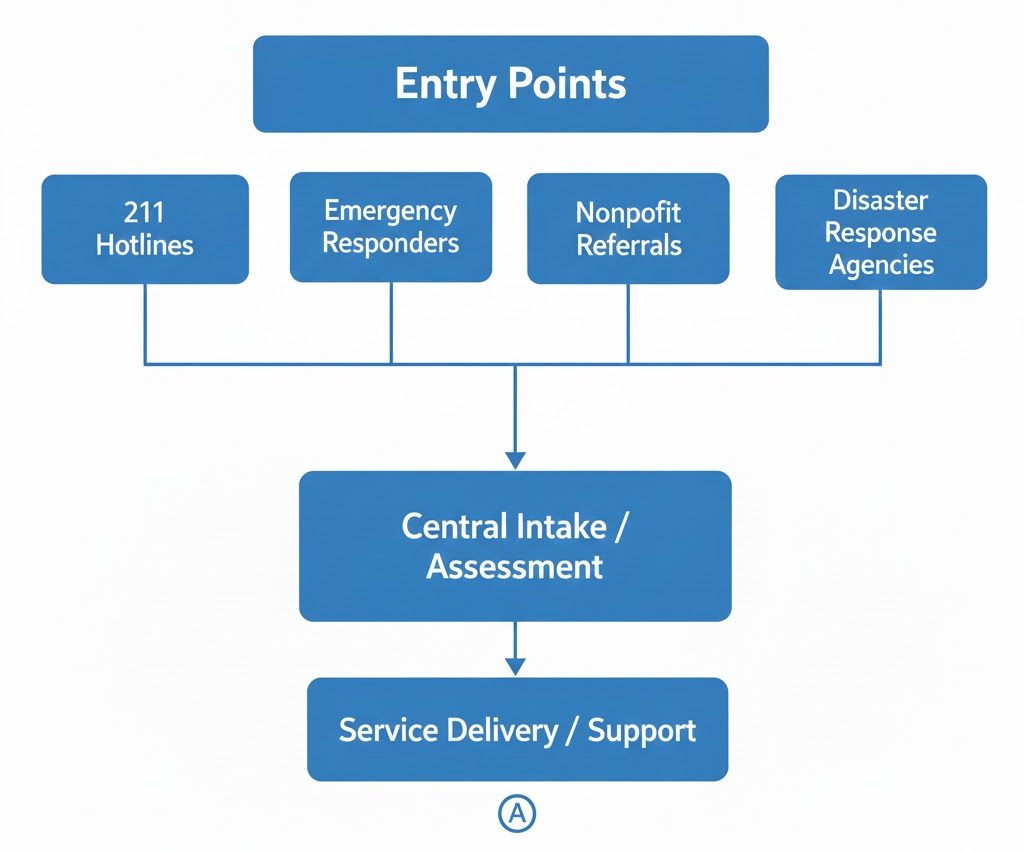
In many U.S. communities, access to the Emergency Shelter List begins with a call to 211, a nationwide referral service supported by United Way. Operators assess a caller’s situation, identify urgent risks, and direct individuals to shelters with available beds.
The system is designed to reduce duplication and confusion, particularly in large cities where dozens of shelters may operate independently. “Centralized intake improves efficiency and ensures scarce resources are directed to those with the highest level of need,” said Dr. Grant.
Emergency Services and Walk-In Referrals
Hospitals, law enforcement agencies, schools, and social service providers can also initiate emergency shelter referrals. In cases involving domestic violence or child endangerment, emergency responders may bypass general listings and place individuals directly into specialized shelters.
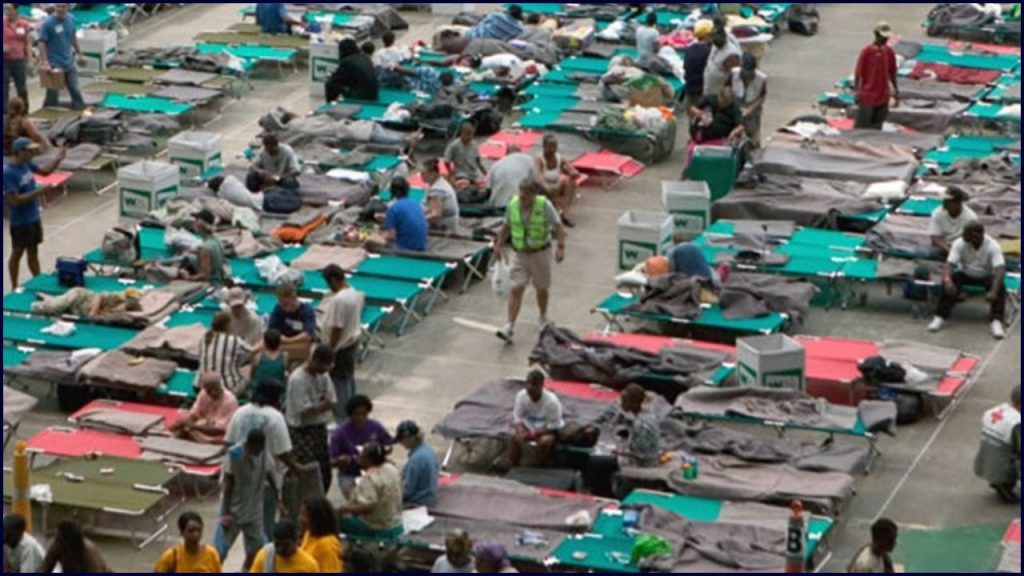
During disasters such as hurricanes, wildfires, or floods, shelters may open rapidly, sometimes without prior registration. In these cases, the Emergency Shelter List is updated continuously as conditions evolve.
Who Is Prioritized on the Emergency Shelter List
Because demand for shelter often exceeds supply, most jurisdictions use prioritization frameworks to allocate limited space. These frameworks typically focus on vulnerability rather than arrival order.
Groups commonly prioritized include:
- Families with minor children
- Survivors of domestic or sexual violence
- Older adults and individuals with disabilities
- People displaced by fires, floods, or extreme weather
- Individuals with serious medical or mental health conditions
Advocates note that single adults without dependents often experience longer wait times. “The system is not designed to exclude anyone, but scarcity forces difficult choices,” said Maria Lopez, director of a regional homelessness coalition.
Capacity Limits and Ongoing Challenges
Despite the importance of the Emergency Shelter List, capacity shortages remain widespread. A 2024 report from the National Alliance to End Homelessness found that emergency shelter availability failed to keep pace with rising housing instability in more than half of U.S. states.
Urban areas face particular strain due to high housing costs and population density. Rural communities, meanwhile, may lack shelters altogether, forcing individuals to travel long distances for assistance.
Local officials cite several persistent barriers:
- Insufficient funding
- Staffing shortages and burnout
- Community opposition to new shelter facilities
- Zoning and regulatory constraints
Some cities have expanded temporary solutions, including warming centers, cooling centers, and modular shelters, though officials acknowledge these measures are stopgaps rather than permanent fixes.
Domestic Violence and Specialized Shelters
Not all shelters listed within the Emergency Shelter List are publicly accessible. Domestic violence shelters often operate at confidential locations to protect residents from further harm.
Access to these shelters is typically coordinated through specialized hotlines rather than general intake systems. “Survivor safety depends on anonymity,” said a spokesperson for the National Network to End Domestic Violence. “Public listings could put lives at risk.”
These shelters frequently offer additional services, including trauma counseling, legal advocacy, and assistance obtaining protective orders. Experts stress that survivors should never be required to navigate shelter systems alone.
The Role of Technology in Emergency Shelter Lists
In recent years, several jurisdictions have introduced digital platforms to modernize emergency shelter coordination. These systems allow shelters to update bed availability in near real time, reducing delays and miscommunication.
State officials in California and Massachusetts say early results show improved placement speed and fewer repeat referrals. However, privacy advocates caution that data security and consent must remain central concerns.
“Technology can improve access, but it must never compromise dignity or safety,” said Dr. Alan Chen, a public policy professor specializing in social service systems.
What Happens After Emergency Shelter
Emergency shelters are intended as a short-term intervention. Once an individual is placed, caseworkers typically begin assessing longer-term needs immediately.
Next steps may include:
- Transitional housing programs
- Rental assistance or housing vouchers
- Placement with family or friends
- Referrals to employment, healthcare, or legal services
Research consistently shows that extended shelter stays are linked to poorer outcomes. “Shelters stabilize crises, but permanent housing stabilizes lives,” Dr. Chen said.
Historical Context: How Emergency Shelter Systems Evolved
Modern emergency shelter systems expanded significantly in the United States during the 1980s, amid rising homelessness linked to economic restructuring and reductions in affordable housing. Federal programs such as the McKinney-Vento Homeless Assistance Act formalized funding streams and reporting requirements.
Since then, the Emergency Shelter List has evolved from informal referral networks into structured systems integrated with public health, disaster response, and housing policy frameworks.
FAQ
Is the Emergency Shelter List the same in every city?
No. Emergency shelter systems are managed locally, and access rules, eligibility criteria, and capacity vary by jurisdiction.
How long can someone stay in an emergency shelter?
Stays typically range from one night to several weeks, depending on shelter policy and demand.
Are emergency shelters free?
Most emergency shelters do not charge fees, though participation in case management programs may be required.
Can undocumented individuals use emergency shelters?
In many jurisdictions, emergency shelters do not require proof of immigration status, though policies vary.
Latest Developments
Several states are piloting expanded digital versions of the Emergency Shelter List, integrating shelters, hospitals, and disaster agencies into a single platform. Officials say the systems could reduce wait times during extreme weather events and improve coordination during large-scale emergencies.
Housing advocates caution that technology alone cannot resolve underlying shortages. Long-term investment in affordable housing, they say, remains essential.