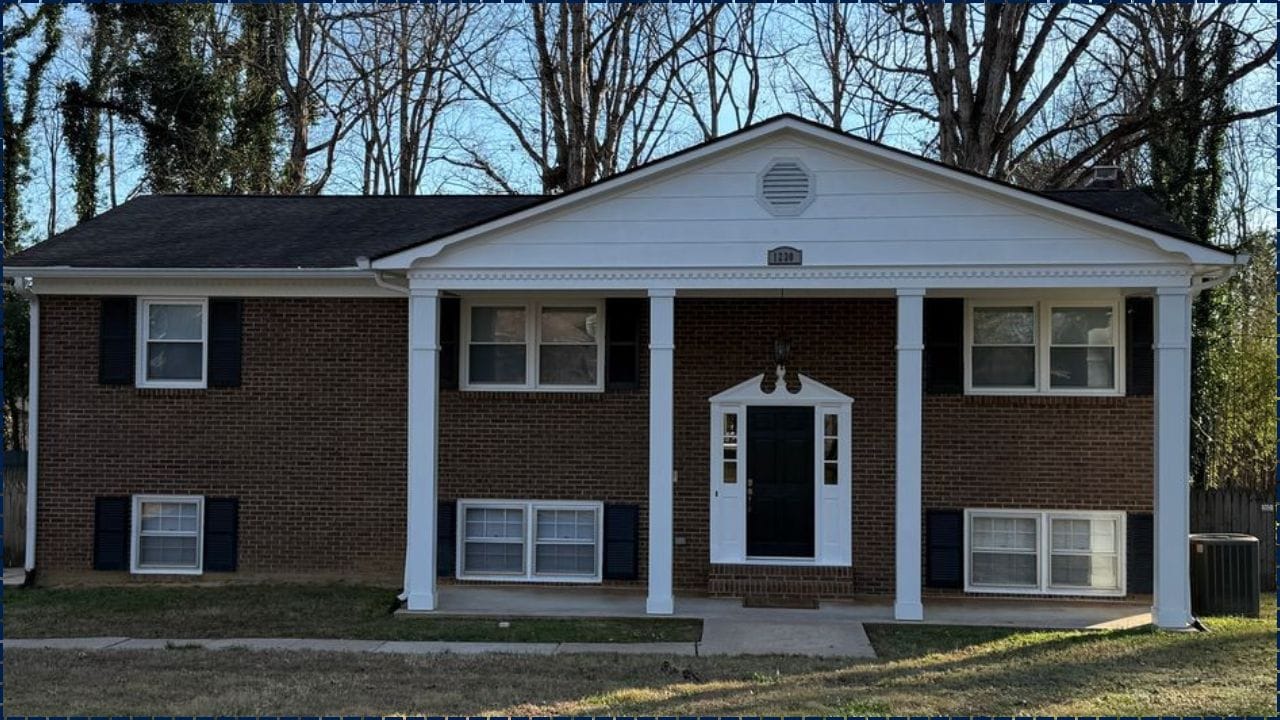


The Hickory Housing Authority update finalized in 2025 represents a structural shift in how federal housing assistance is delivered in western North Carolina, after city leaders voted to dissolve the local housing authority and transfer its duties to a regional agency. The move, which took effect July 1, placed administration of hundreds of federal housing vouchers under the Western Piedmont Council of Governments, following months of scrutiny over performance and oversight.
Table of Contents
Hickory Housing Authority
| Key Fact | Detail |
|---|---|
| Effective date | July 1, 2025 |
| Program affected | Section 8 Housing Choice Vouchers |
| New administrator | Western Piedmont Council of Governments (WPCOG) |
| Vouchers transferred | More than 500 |
| Reason cited | Administrative and performance concerns |
The Decision That Ended a Local Institution
For decades, the Hickory Public Housing Authority served as the city’s primary administrator of federal rental assistance, operating largely outside the public spotlight. That changed in late 2024, when city officials began publicly questioning the agency’s performance and governance.
By January 2025, the Hickory City Council voted unanimously to dissolve the authority, citing persistent administrative weaknesses and the underuse of federally funded housing vouchers. The decision followed internal reviews and public records disclosures that highlighted staffing challenges, delayed inspections, and limited leasing activity.
City leaders stressed that the vote was not a repudiation of housing assistance itself, but of the structure used to manage it.
“This was about capacity and accountability,” Mayor Hank Guess said during the council meeting. “We have an obligation to make sure federal resources reach the people they are intended to serve.”
Why Voucher Utilization Became the Central Issue
At the heart of the Hickory Housing Authority update was a basic but consequential metric: voucher utilization.
Housing Choice Vouchers, commonly known as Section 8 vouchers, are allocated annually by the U.S. Department of Housing and Urban Development (HUD). Local agencies are expected to lease most of those vouchers to eligible households. When vouchers go unused, federal funds remain unspent while housing needs persist.
City officials said Hickory’s housing authority consistently leased far fewer vouchers than it was authorized to use, sometimes hovering around half of capacity. While HUD allows some fluctuation, prolonged underutilization can trigger sanctions or funding reductions.
Housing experts note that unused vouchers rarely reflect a lack of need.
“In almost every community, demand exceeds supply,” said Megan Healy, a housing policy researcher based in North Carolina. “When vouchers sit idle, it usually points to administrative or market barriers, not a shortage of eligible families.”
Structural Challenges Facing Small Housing Authorities
Hickory’s experience mirrors challenges faced by small and mid-sized housing authorities nationwide.
Federal housing programs have grown more complex over the past two decades, with increased compliance requirements, reporting standards, and landlord outreach expectations. For agencies with limited staff, meeting those demands can be difficult.
Smaller authorities often rely on a handful of employees to manage inspections, tenant certifications, landlord payments, and federal audits. Staff turnover, illness, or vacancies can quickly disrupt operations.
“Scale matters,” said one former housing official familiar with regional administration models. “Larger or regional agencies can absorb shocks that smaller ones cannot.”
Why WPCOG Was Seen as a Viable Alternative
The Western Piedmont Council of Governments already administers housing programs across several counties, giving it a broader staffing base and centralized systems for compliance, inspections, and payments.
City officials said transferring Hickory’s vouchers to WPCOG offered three immediate advantages:
- Administrative depth, including specialized staff
- Standardized compliance systems aligned with HUD expectations
- Regional landlord networks that could accelerate leasing
WPCOG leaders described the transition as an expansion rather than a takeover.
“Our role is to stabilize and strengthen housing assistance,” said WPCOG Executive Director Debra Reece. “Regional administration allows us to do that more effectively.”
What the Transition Meant for Voucher Holders
For the roughly 500 households receiving assistance, officials emphasized continuity.
Voucher contracts, rent calculations, and tenant obligations carried over unchanged. Payment systems were migrated behind the scenes, while caseworkers contacted participants to confirm contact information and schedules.
Several voucher holders interviewed by local media expressed initial concern but reported minimal disruption.
“My rent didn’t change, and the checks kept going to my landlord,” said one participant. “The paperwork came from a different office, but that was about it.”
Housing advocates said maintaining stability during administrative transitions is critical, particularly for low-income households already facing housing insecurity.
Landlords and the Private Rental Market
Landlord participation is another key factor in voucher success.
Some landlords have historically avoided voucher programs due to inspection delays or administrative complexity. WPCOG officials said one goal of the transition is to rebuild landlord confidence by improving response times and consistency.
“Landlords want predictability,” said a regional property manager who works with voucher tenants. “If inspections and payments are reliable, participation increases.”
A Broader Trend Toward Regionalization
Hickory is not alone in reconsidering how housing assistance is administered.
Across the United States, smaller cities have increasingly merged or transferred housing authority functions to regional entities. In some cases, local agencies dissolve entirely; in others, they enter shared-services agreements.
Policy analysts say the trend reflects rising administrative costs and the growing complexity of federal housing programs.
“HUD funding hasn’t kept pace with the administrative burden placed on local agencies,” said one former federal housing advisor. “Regional models are one way communities adapt.”
Oversight and Accountability Under the New Model
Under WPCOG administration, performance will be measured through HUD’s established monitoring systems, including utilization rates, inspection timeliness, and financial accuracy.
Unlike the dissolved housing authority, WPCOG operates under multi-jurisdictional governance, with oversight from its member governments and federal regulators.
City officials said that shift reduces the risk of local political pressure influencing day-to-day operations, while still allowing for transparency through public reporting.
What Success Will Look Like Going Forward
WPCOG has outlined several benchmarks for the post-transition period:
- Higher voucher lease-up rates
- Shorter inspection and approval timelines
- Expanded landlord participation
- Reduced waiting list backlogs
HUD will continue to monitor results, and officials say performance data will be made public.
“This isn’t the end of scrutiny,” Mayor Guess said. “It’s the beginning of a different kind of accountability.”
Implications for Affordable Housing in North Carolina
The Hickory Housing Authority update arrives amid growing concern about housing affordability across the state. Rising rents, limited construction, and population growth have increased pressure on rental assistance programs.
While administrative changes alone cannot solve housing shortages, experts say efficient management is essential to maximizing existing resources.
“Every well-run voucher program matters,” said Healy. “When systems work, families stay housed, and communities are more stable.”
Final Word
As the transition settles, the focus has shifted from governance to outcomes. For Hickory residents relying on housing assistance, the measure of success will be simple: whether help arrives faster, more reliably, and for more families.
The restructuring may serve as a case study for other mid-sized cities weighing whether local control or regional administration best meets today’s housing challenges.