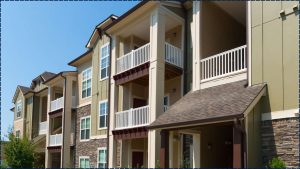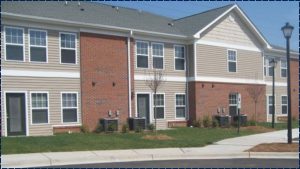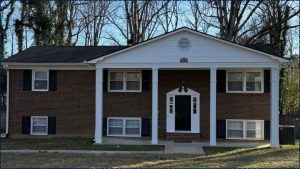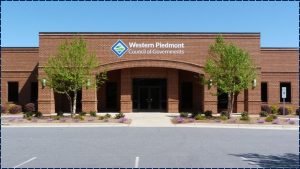

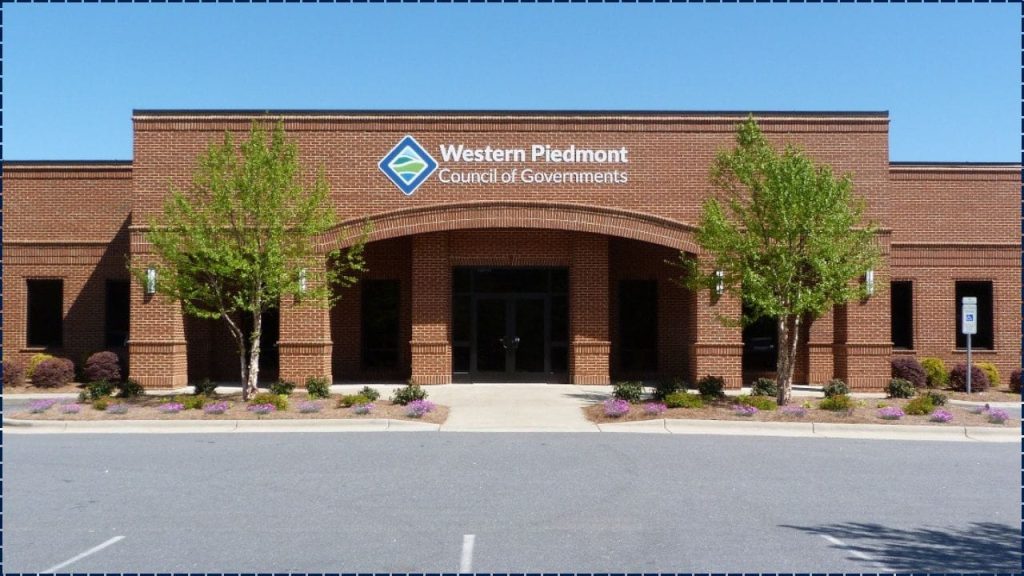
For residents seeking Section 8 in Hickory, the path to federal housing assistance begins—and often stalls—with a closed waiting list managed by the Western Piedmont Council of Governments, underscoring a widening gap between housing need and available support.
Table of Contents
A System Designed for Access—When It Opens
The Housing Choice Voucher Program, commonly known as Section 8, is the federal government’s largest rental assistance initiative. It helps low-income households afford privately owned housing by subsidizing a portion of monthly rent.
In Hickory and much of western North Carolina, the program is administered by the Western Piedmont Council of Governments (WPCOG), a regional planning and service organization that oversees housing assistance across multiple counties.
To manage demand, WPCOG relies on an online application system known as the WPCOG waitlist portal, which serves as the sole entry point for households seeking vouchers when enrollment periods open.
Housing officials describe the portal as an administrative necessity. “The volume of need requires a structured and transparent process,” a WPCOG representative said in a written statement. “The portal allows us to manage applications fairly and efficiently.”
Why the Section 8 Waiting List Is Closed
The most immediate barrier for applicants is that the Section 8 waiting list in Hickory is currently closed, a status that has become common across the United States.
According to data from the U.S. Department of Housing and Urban Development (HUD), housing authorities often close lists after receiving tens of thousands of applications for only a few hundred vouchers.
In WPCOG’s jurisdiction, officials say demand consistently overwhelms supply. Once the list reaches a manageable size—often representing years of projected assistance—it is closed until voucher turnover or new funding allows additional households to be added.
Housing policy analysts note that this pattern reflects structural constraints rather than local mismanagement. Federal funding for vouchers has not kept pace with rising rents, population growth, or inflation in construction and operating costs.
How the WPCOG Waitlist Portal Works
When the waiting list opens, applicants must submit their information exclusively through the WPCOG waitlist portal. Paper applications and in-person submissions are not accepted.
The application typically requires:
- Household size and composition
- Total gross income from all sources
- Citizenship or eligible immigration status
- Current contact information
Once submitted, applications are either randomly ordered or ranked using preference criteria established by the housing authority, such as disability status or homelessness, depending on current policy.
Importantly, placement on the waiting list does not guarantee assistance. It simply establishes eligibility for future consideration when vouchers become available.
Checking Status—and Staying Eligible
Applicants already on the waiting list can monitor their status using the portal’s “check position” feature, which requires identifying information to ensure privacy.
Housing advocates emphasize that maintaining eligibility is an ongoing responsibility. Applicants must update changes in address, income, or household composition promptly.
Failure to respond to mailed or electronic notices is a leading cause of removal from waiting lists nationwide, according to HUD guidance.
“People often underestimate how strict the communication rules are,” said a housing counselor with a nonprofit serving Catawba County. “Missing a deadline can undo years of waiting.”
Eligibility Rules and Income Limits
Eligibility for Section 8 in Hickory follows federal standards set by HUD, with income limits tied to the area median income (AMI).
Generally, households earning less than 50 percent of the AMI may qualify, with priority often given to those earning below 30 percent. Final eligibility also depends on background screenings and compliance with program rules.
Participants must agree to annual recertification, during which income and household details are reviewed to determine continued assistance and subsidy levels.
The Human Impact of Long Waits
Behind the administrative language are households navigating rising rents and limited alternatives.
Local housing advocates report that many applicants live in overcrowded units, pay more than half their income toward rent, or face unstable housing conditions while waiting.
A single mother interviewed by a regional nonprofit described applying years ago and still waiting. “You plan your life around a call that may never come,” she said. Her account reflects a broader uncertainty shared by applicants across the region.
Housing researchers say prolonged waiting periods can worsen economic insecurity, affecting employment stability, health outcomes, and educational continuity for children.
Hickory’s Rental Market Pressures
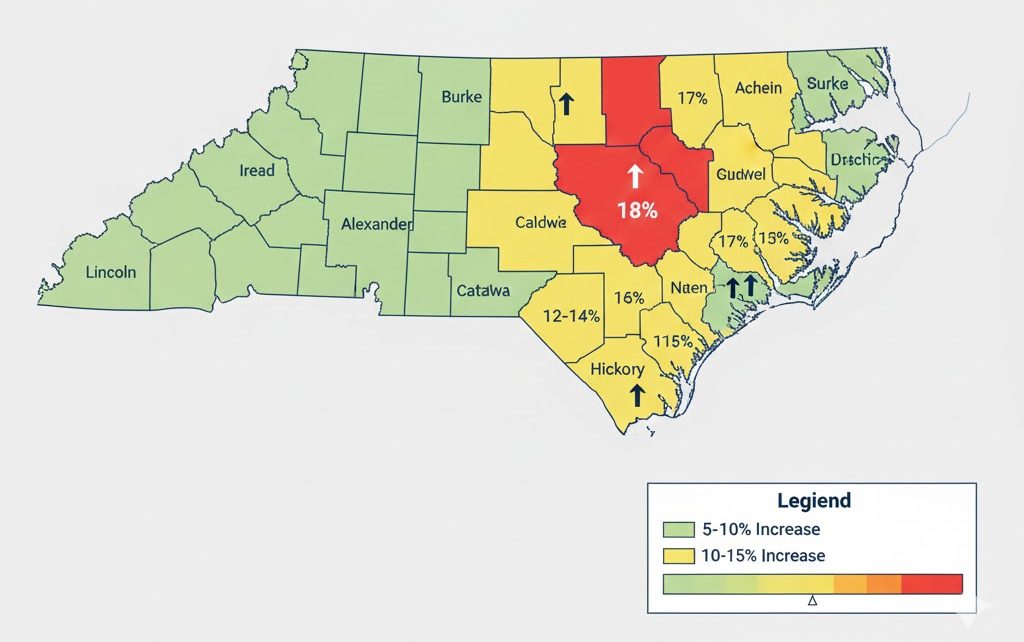
Hickory has experienced steady population growth, driven in part by its location between Charlotte and the foothills of western North Carolina.
At the same time, new rental construction has not kept pace with demand, particularly for units affordable to households earning below the median income.
Higher interest rates have slowed development, while existing landlords face rising maintenance and insurance costs, which are often passed on to tenants.
These dynamics have made Section 8 in Hickory increasingly competitive, even as the need for assistance expands.
National Context: A System Under Strain
The challenges facing WPCOG mirror national trends.
HUD data show that only one in four households eligible for federal rental assistance actually receives it. Waiting lists in major metropolitan areas often remain closed for a decade or longer.
Housing policy experts argue that the voucher program is effective for those who receive assistance but insufficient in scale.
“The Housing Choice Voucher Program works,” said a senior fellow at a national housing policy institute. “The problem is that it is not funded to meet the level of need.”
What Applicants Can Do While the List Is Closed
With the waiting list closed, options are limited but not nonexistent.
Housing counselors recommend:
- Monitoring official WPCOG announcements regularly
- Ensuring contact information remains current if already listed
- Exploring local nonprofit housing programs
- Applying for public housing or emergency rental assistance where available
Some advocates also encourage eligible households to apply to multiple housing authorities, when permitted, to increase their chances of receiving assistance.
The Policy Debate Ahead
Housing affordability has become a growing focus at the state and federal levels.
Lawmakers in North Carolina and Washington have proposed measures ranging from increased voucher funding to incentives for affordable housing development. However, significant expansions require congressional approval and sustained budget commitments.
WPCOG officials say they are prepared to reopen the waiting list when conditions allow but caution that openings depend on factors beyond local control.
FAQ
Is the Section 8 waiting list currently open?
No. The WPCOG waitlist is closed due to high demand.
How will I know when it opens?
Public notices are posted on WPCOG’s official website and through local media.
Can I apply in person?
No. Applications are accepted online only through the WPCOG waitlist portal.
Does placement guarantee a voucher?
No. Placement indicates eligibility but does not ensure assistance.
How long is the wait?
Wait times vary and can extend for several years, depending on funding and turnover.
Forward Look
For now, applicants seeking Section 8 in Hickory remain in a holding pattern, watching for the brief windows when the waitlist reopens. Housing officials say transparency and patience are essential, even as broader policy decisions determine whether supply will ever meet demand.