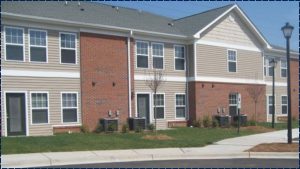


The Houston Housing Authority board underwent a far-reaching restructuring after concerns emerged over governance, executive oversight, and organizational priorities, leading to the departure of its chief executive and the installation of new leadership. The changes, spanning 2024 and 2025, reshaped decision-making at one of the nation’s largest public housing authorities and highlighted the stakes of governance in public housing.
Table of Contents
What the Houston Housing Authority Does — and Why Governance Matters
The Houston Housing Authority is responsible for administering public housing developments and housing assistance programs that support tens of thousands of low-income residents across Houston.
The authority’s mission is operational but also deeply social. It manages housing stability for families, seniors, and people with disabilities. Because of this role, governance failures have consequences that extend beyond budgets and boardrooms.
At the center of the organization’s governance structure is the board of commissioners. The board sets strategic direction, approves contracts and expenditures, and hires or removes the president and chief executive officer. While the CEO manages daily operations, the board is legally and ethically responsible for oversight.
How the Board Functioned Before the Overhaul
Before the restructuring, the Houston Housing Authority board operated under a traditional public housing governance model. Commissioners approved major initiatives, delegated authority to executive leadership, and relied heavily on internal reporting to assess performance.
Over time, critics argued that this model had drifted toward over-reliance on executive discretion, with insufficient challenge from the board. Oversight mechanisms existed, but they were often reactive rather than proactive.
Housing policy experts say such conditions are not unusual in large public authorities. “Boards often struggle to balance trust in management with their duty to question decisions,” one former housing regulator said. “Problems arise when that balance disappears.”
Early Warning Signs of Governance Stress
Concerns began to surface as the authority faced operational disruptions, including pauses in housing assistance programs and delays in development plans. These issues raised questions among city leaders, advocates, and residents about internal coordination and decision-making.
At public meetings, stakeholders increasingly asked whether the authority’s leadership was aligned with its core mission. Internally, board members began requesting more detailed reporting on contracts, expenditures, and program performance.
These early warning signs did not immediately result in leadership changes, but they set the stage for a broader governance reassessment.
Board Reconstitution and a Shift in Oversight Philosophy
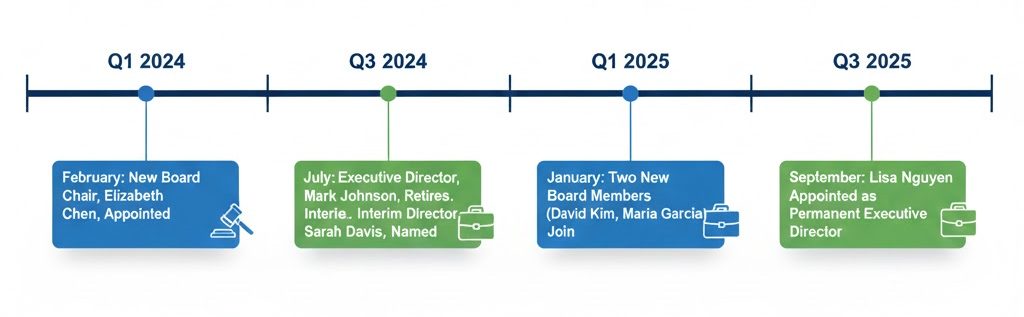
In early 2024, city leadership initiated changes to the Houston Housing Authority board by appointing new commissioners. The move did not dissolve the board but significantly altered its composition and direction.
The newly appointed commissioners emphasized three priorities:
- Stronger oversight of executive decisions
- Greater transparency in contracting and spending
- A renewed focus on resident outcomes
At their first meetings, board members signaled a shift away from passive governance. They requested deeper audits, clearer documentation, and more frequent performance updates.
Understanding the Difference: Board Dissolution vs. Board Restructuring
A common point of confusion during the transition was whether the Houston Housing Authority board had been dissolved. It had not.
Instead, the board underwent reconstitution, a process in which members are replaced or newly appointed while the governing body itself remains intact. This distinction is critical.
- Dissolution would have required legislative or extraordinary legal action.
- Reconstitution allowed continuity of operations while resetting oversight.
The authority continued operating throughout the transition, with housing services maintained under board supervision.
Executive Review and the CEO’s Departure
As governance scrutiny intensified, the reconstituted board authorized a formal review of executive management practices. The scope included:
- Contract approval processes
- Spending controls
- Adherence to internal policies
Following the initiation of the review, the board placed the president and CEO on administrative leave. The decision was described as a precautionary measure designed to protect the integrity of the inquiry.
Shortly thereafter, the executive resigned. In a public statement, the board said the departure was necessary to maintain public trust and allow the organization to move forward.
Interim Leadership and Institutional Stability
With the chief executive role vacant, the board appointed interim leadership to ensure continuity. The interim administration focused on maintaining housing services, stabilizing internal operations, and cooperating with ongoing reviews.
For residents, the transition raised concerns about potential service disruptions. Board members acknowledged these risks and emphasized that housing assistance and property management would remain uninterrupted.
Interim leadership also played a key role in briefing commissioners and preparing the organization for a permanent appointment.
Selecting a New CEO: A Reset Moment
In early 2025, the board appointed a new president and CEO. Commissioners described the decision as an opportunity to reset organizational culture and reinforce accountability.
In his initial remarks, the new executive emphasized transparency, internal controls, and mission alignment. He pledged to review prior decisions not to assign blame, but to identify systemic weaknesses.
Observers described the appointment as a turning point. Leadership transitions of this scale are rare at large housing authorities and often signal long-term institutional change.
Operational Issues Under Review
Following the leadership change, the authority began reassessing operational practices. Internal reviews highlighted inefficiencies in maintenance processes, procurement methods, and project planning.
Board members stressed that these reviews were about governance, not politics. “Oversight means asking hard questions,” one commissioner said. “It does not mean assuming bad intent.”
The reviews also underscored how governance decisions translate into real-world outcomes, including housing quality and service reliability.
How Governance Failures Affect Residents
For residents, governance issues are not abstract. Delayed maintenance, paused programs, and inefficient spending directly affect housing stability.
Advocates argue that residents often experience the consequences of governance breakdowns long before they become public. “When oversight weakens, residents feel it first,” said a longtime housing advocate.
The board has acknowledged this reality and said future reforms will be evaluated based on resident impact rather than administrative metrics alone.
Public Housing in a National Context
The Houston Housing Authority’s experience reflects broader challenges facing public housing agencies nationwide. Many operate with aging infrastructure, limited funding, and complex regulatory requirements.
Governance experts note that strong boards are essential in such environments. Effective oversight can prevent small issues from becoming systemic failures.
The HHA transition is now viewed by some housing professionals as a case study in governance correction rather than collapse.
Accountability Measures Moving Forward
The board has signaled that governance reforms will continue. Potential measures include:
- Enhanced internal audits
- Revised procurement policies
- Clearer performance benchmarks for executives
Commissioners have also discussed improving public communication, including clearer explanations of board decisions and policy changes.
Accountability, board members say, is not a one-time event but an ongoing responsibility.
What Comes Next
As the Houston Housing Authority moves forward under new leadership, the board remains focused on oversight, stability, and long-term sustainability.
The success of the governance reset will be measured not only by internal reforms but by outcomes for residents who depend on the authority for housing security.
For now, the board’s restructuring marks a clear acknowledgment that governance matters — and that public trust must be actively maintained.
FAQ
Was the Houston Housing Authority board dissolved?
No. The board was restructured through new appointments, not dissolved.
Why did the CEO leave?
The departure followed a board-authorized review of management practices and was described as necessary to maintain public trust.
How does this affect residents?
The authority says housing services continued throughout the transition, though reforms aim to improve long-term outcomes.