
Housing Choice Voucher Program: Struggling with rent in America? You’re not alone. With sky-high housing prices and stagnant wages, finding an affordable place to live is tougher than ever. But here’s the kicker: there’s a powerful rent assistance program out there that helps millions of families, veterans, and seniors keep a roof over their heads — and tons of folks don’t even know it exists. It’s called the Housing Choice Voucher Program (also known as Section 8). This article dives deep into how this life-changing program works, how to apply, and why it’s more than just a “free rent” myth. Whether you’re a renter looking for help or a landlord curious about participating, this guide lays it all out — in plain English.
Table of Contents
Housing Choice Voucher Program
The Housing Choice Voucher Program is one of the most powerful tools in the U.S. for fighting poverty and homelessness — but it remains underutilized and misunderstood. Whether you’re a struggling parent, a disabled veteran, or a landlord trying to fill a unit, knowing how Section 8 works could be the game-changer you need. This isn’t charity. It’s smart, structured support that helps keep communities stable, kids in school, and workers housed. So if you’re asking, “What is the Housing Choice Voucher Program?” — now you know. And if you know someone who needs help, pass this along. The more people understand the power of housing vouchers, the more we can create a future where housing isn’t a luxury — it’s a right.

| Feature | Details |
|---|---|
| Program Name | Housing Choice Voucher Program (Section 8) |
| Who It’s For | Low-income families, seniors, people with disabilities, veterans |
| What It Does | Pays a portion of your rent directly to a private landlord |
| How Much You Pay | Typically 30% of your monthly adjusted income |
| Administered By | Local Public Housing Agencies (PHAs), funded by HUD |
| Where It Works | Nationwide (tenant can move and keep voucher) |
| Application Tool | PHA Contact Locator |
| Official Website | www.hud.gov |
What Is the Housing Choice Voucher Program?
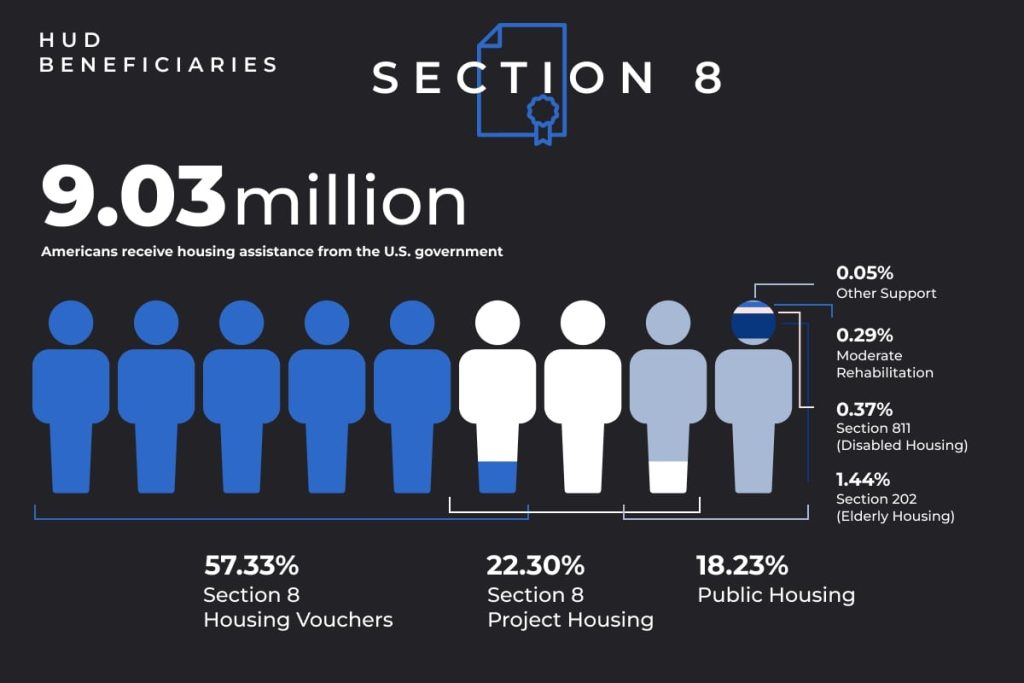
The Housing Choice Voucher Program is a federal housing assistance initiative funded by the U.S. Department of Housing and Urban Development (HUD). But don’t let the fancy name fool you — it’s a real-world lifeline for nearly 2.3 million low-income households across America.
Here’s how it works: instead of putting you in government-owned apartments, like traditional public housing, Section 8 lets you choose your own place to live. As long as the landlord accepts vouchers and the home meets safety and affordability standards, you can live almost anywhere — near your job, your kid’s school, or your support network.
The government then pays a portion of your rent directly to the landlord. You typically pay 30% of your adjusted gross income, and the voucher covers the rest. This setup gives renters more flexibility and helps them access better living conditions than many traditional subsidized housing units.
Who Qualifies for Section 8 Housing?
Eligibility varies by location, but the basics are the same everywhere. The program is mainly for:
- Families with very low income (below 50% of the Area Median Income)
- Seniors and people with disabilities
- U.S. citizens or eligible non-citizens
At least 75% of new vouchers are reserved for those with incomes at or below 30% of AMI (HUD Guidelines).
Some PHAs also prioritize families experiencing homelessness, victims of domestic violence, and veterans. Priority may also be given to individuals exiting institutions or transitional housing. So even within national guidelines, your local agency may have different preferences and processes.
Example: If you live in Phoenix, AZ, and a family of 3 earns less than $30,000/year, they might be eligible.
How to Apply for the Housing Choice Voucher Program: Step-by-Step Guide
Applying isn’t hard, but it can be competitive due to limited funding and long waitlists. Here’s how to get started:
Step 1: Find Your Local PHA
Visit this locator tool to find your local Public Housing Agency.
Step 2: Check for Open Waitlists
Not all PHAs are open for new applications all the time. If they are, apply immediately. If not, ask to be notified when the list reopens.
Step 3: Fill Out the Application
You’ll need:
- Proof of income (pay stubs, tax returns)
- Birth certificates and Social Security numbers
- Citizenship/immigration documentation
- Details about your current living situation (e.g., homelessness, eviction)
Step 4: Wait for the Interview
If selected from the waitlist, you’ll be interviewed to confirm your details. This may be conducted in person or virtually. Your eligibility will be verified again, and your income will be recalculated.
Step 5: Receive the Voucher & Find a Home
Once approved, you usually have 60 days to find a place that fits the program’s requirements. You can request an extension if needed, but you must demonstrate you’ve been actively searching.
Extra Tips to Boost Your Chances
- Apply to multiple PHAs: Some have shorter waitlists than others, even in nearby towns. Mobility across jurisdictions gives you more options.
- Respond to all letters and calls: If the PHA can’t reach you, you might lose your spot.
- Keep documents updated: Income changes? New baby? Let them know.
- Ask about preferences and priorities: Knowing your PHA’s criteria can help you frame your application appropriately.
- Work with nonprofits: Many local housing nonprofits offer help with applications and landlord matching.
Landlords: Why You Should Consider Section 8 Tenants
Think Section 8 is a hassle? Think again. Thousands of landlords across the country are discovering that accepting vouchers means:
- Guaranteed income direct from the government
- Reliable tenants (many voucher holders are long-term renters)
- Support from PHAs with inspections and paperwork
Additionally, participating in the program often improves a landlord’s reputation in the community and may provide access to local tax incentives or grants.
Bonus: In cities like Los Angeles and NYC, landlords get sign-up bonuses and rent coverage even during tenant turnover. In some cases, landlords can receive damage mitigation funds if there are issues beyond a security deposit.
Common Myths Busted
Myth #1: Section 8 is Only for Big Cities
Reality: It’s available everywhere. Urban, rural, and suburban communities all participate.
Myth #2: Only Jobless People Qualify
Reality: Many working families qualify. Low income doesn’t mean no income.
Myth #3: Section 8 Tenants Damage Property
Reality: There’s no evidence showing voucher holders are worse renters than others. In fact, many are long-term, stable tenants who stay longer than market renters.
Myth #4: The Process Is Too Complicated
Reality: While the process involves paperwork, many local organizations provide assistance. Once enrolled, tenants and landlords both benefit from structure and support.
Real-World Stats That Matter
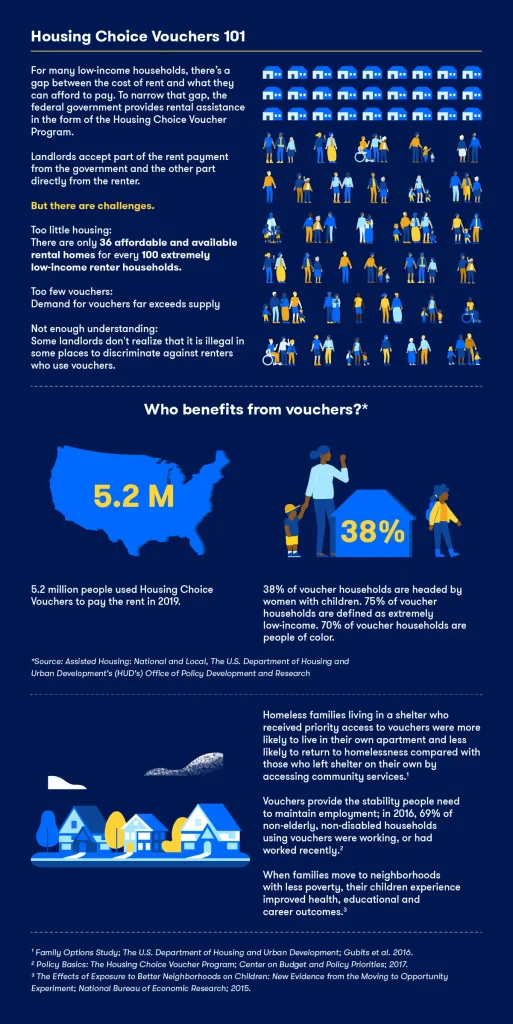
- Average household income of voucher holders: $14,700/year
- Average family size: 2.2 people
- Percent of voucher households headed by a woman: 78%
- Over 50% of voucher holders are seniors or people with disabilities
- Waiting list lengths: Can range from 6 months to over 5 years depending on region
- Success rate: About 69% of voucher holders successfully find housing in time