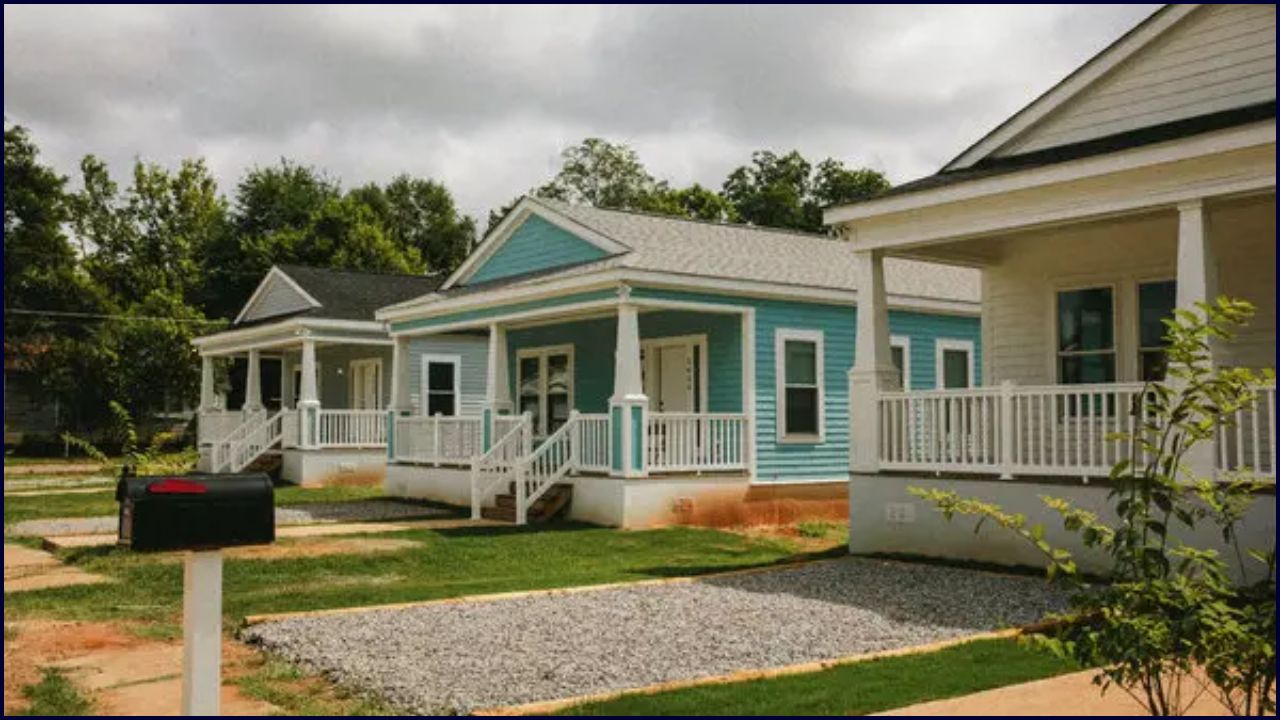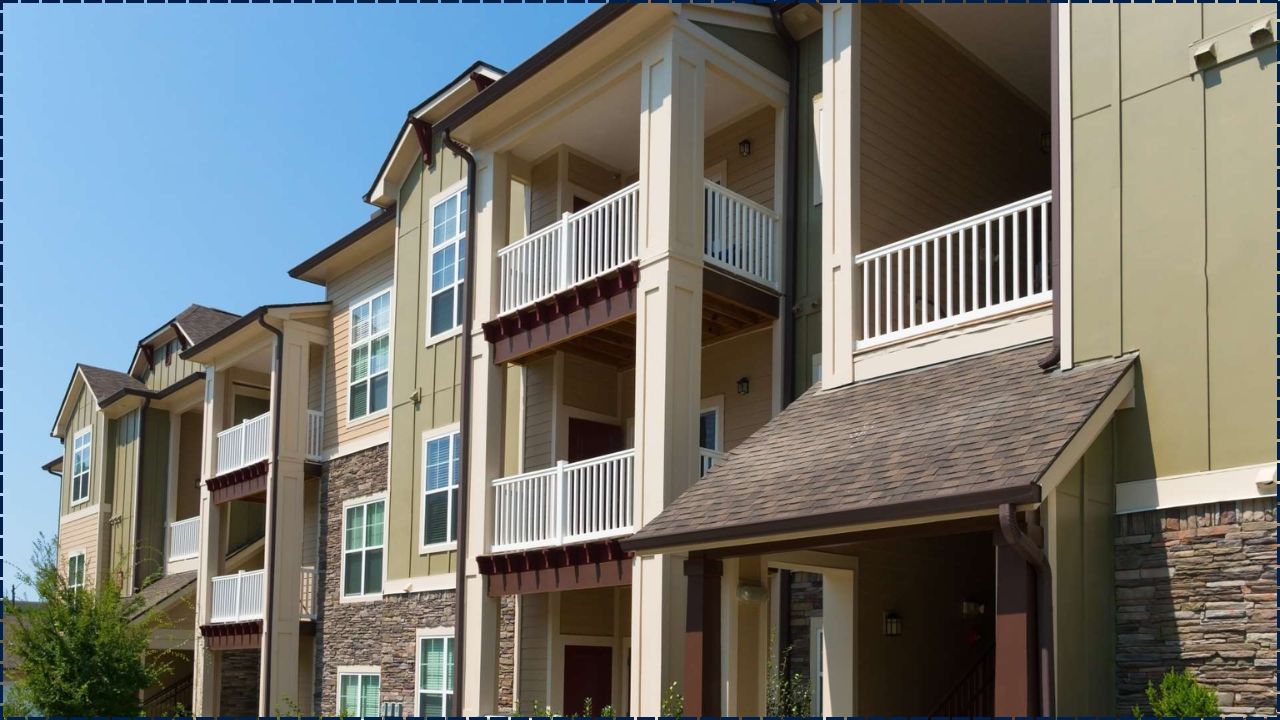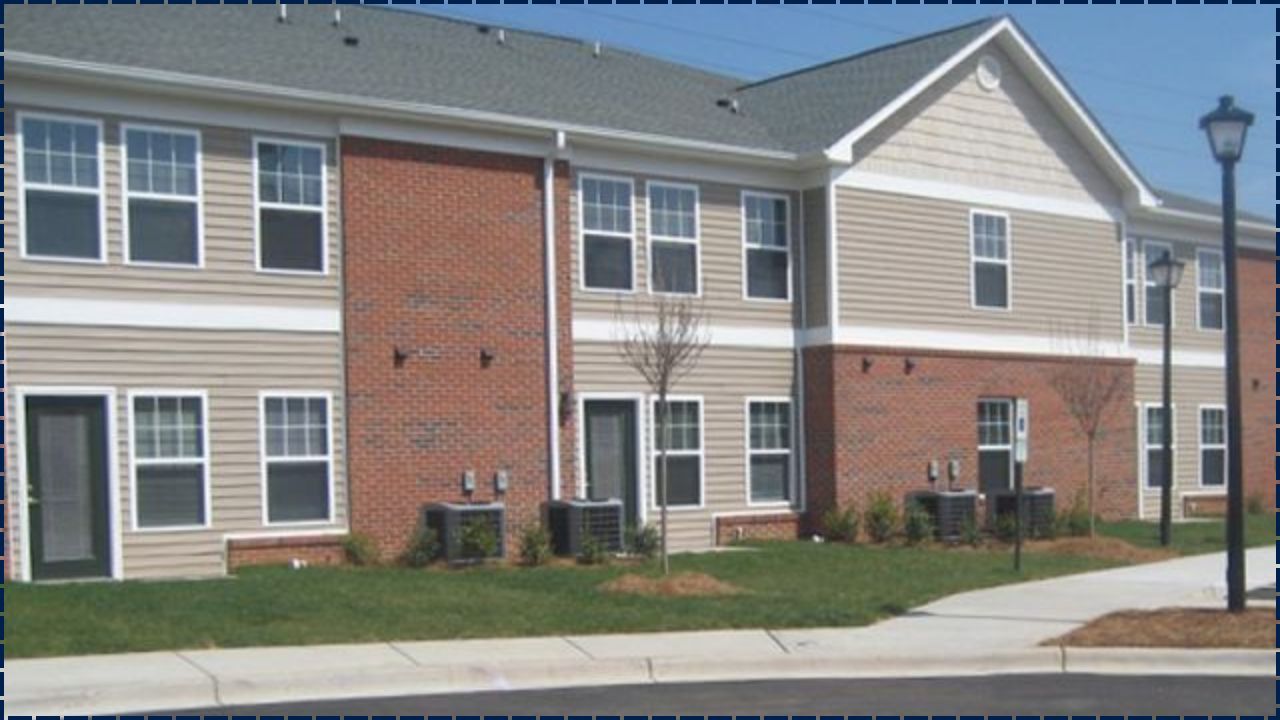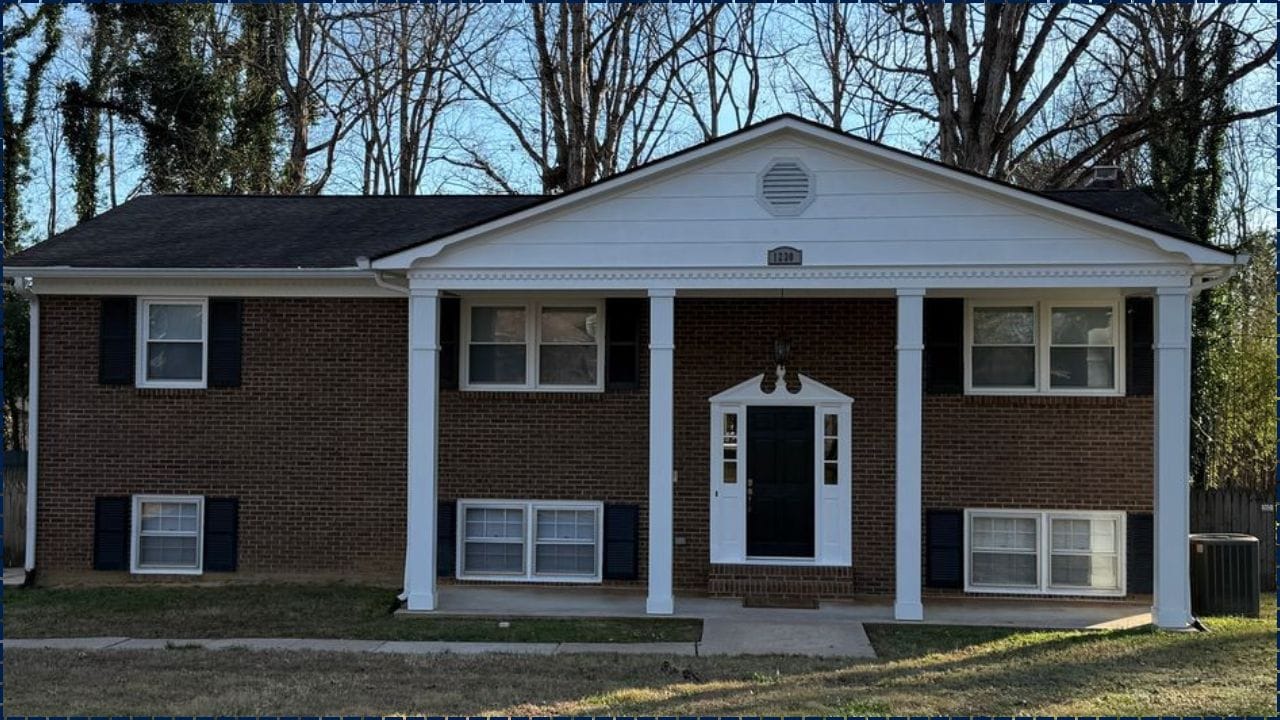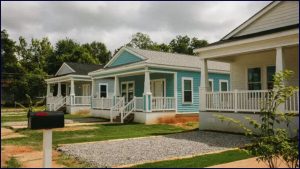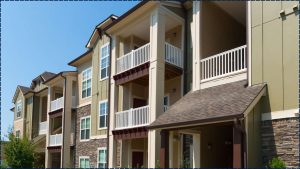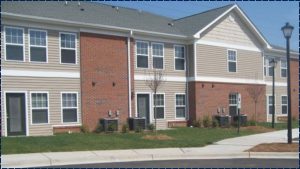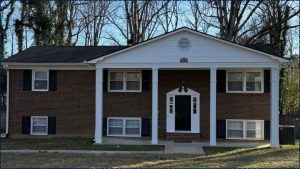

Who runs public housing now is a question increasingly asked by residents across western North Carolina as housing demand grows. In the four-county Western Piedmont region, responsibility lies with the Western Piedmont Regional Housing Authority, a public agency that administers federal housing programs under local governance and federal oversight.
Table of Contents
Understanding Who Runs Public Housing Now in Western Piedmont
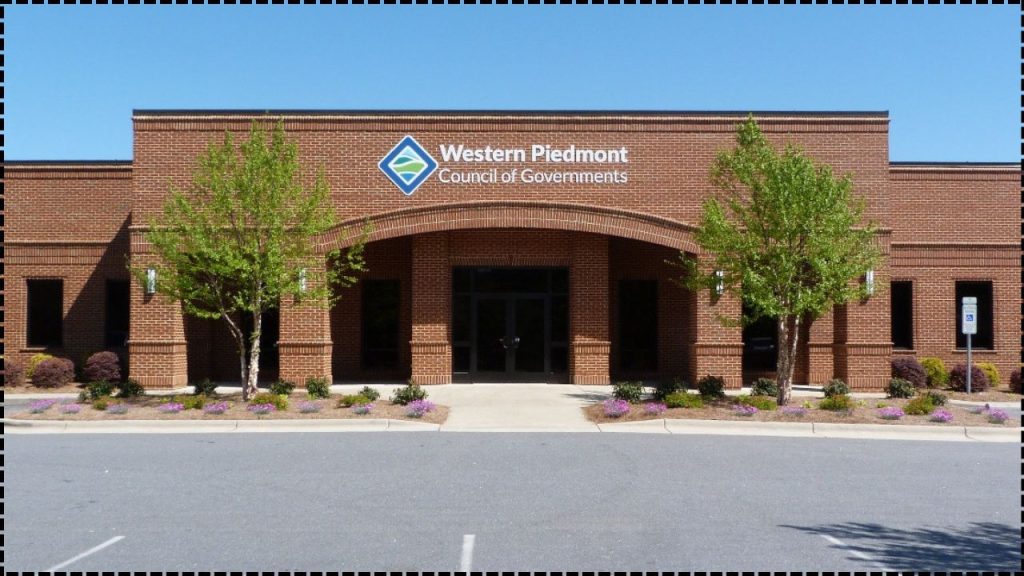
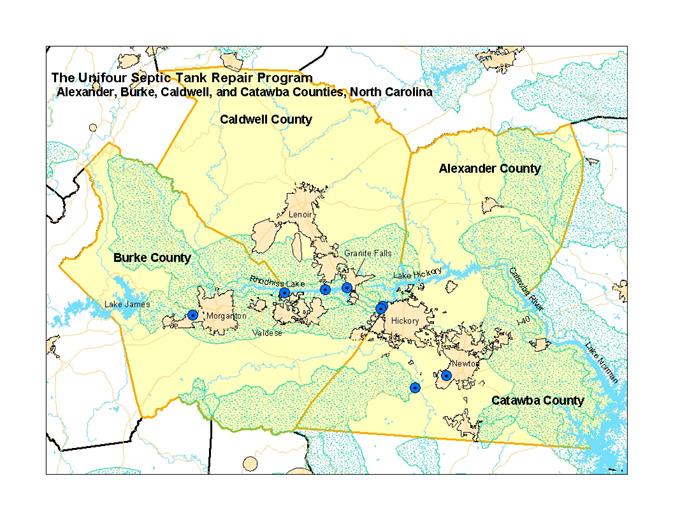
The Western Piedmont Regional Housing Authority, commonly known as the RHA, manages public housing and rental assistance programs across Alexander, Burke, Caldwell, and Catawba counties. The agency operates within the framework of the Western Piedmont Council of Governments, a regional planning and service organization formed by local governments.
Public housing authorities in the United States function as local administrators of federal housing policy. According to the U.S. Department of Housing and Urban Development, these agencies are responsible for day-to-day operations while following federal regulations tied to funding and compliance.
Governance Structure and Local Oversight
The question of who runs public housing now cannot be answered without understanding the layered governance structure. The Regional Housing Authority is overseen administratively by the Western Piedmont Council of Governments, which is governed by elected officials from its member counties and municipalities.
The council appoints leadership to manage housing programs, approve budgets, and ensure compliance with federal requirements. “Our role is to deliver housing assistance efficiently while remaining accountable to both HUD and our local governments,” the council has stated in public planning documents.
This structure allows local officials to influence housing priorities while maintaining alignment with national housing standards.
Federal Role: HUD’s Oversight and Funding
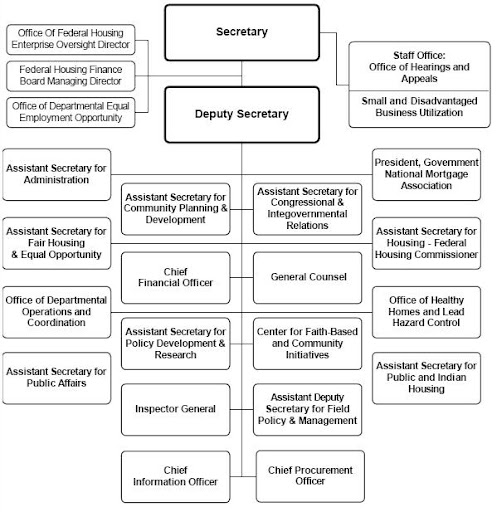
While local agencies run daily operations, the federal government plays a central role in public housing. The U.S. Department of Housing and Urban Development provides most of the funding for public housing and Housing Choice Voucher programs, commonly known as Section 8.
HUD sets eligibility standards, inspection requirements, and reporting rules. Funding is tied to compliance, meaning housing authorities must meet performance benchmarks to continue receiving federal support. Housing experts note that this balance is designed to combine local flexibility with national accountability.
Programs Managed by the Regional Housing Authority
The Western Piedmont Regional Housing Authority administers several major housing programs. These include public housing units owned or managed by the authority and rental assistance vouchers that allow families to rent privately owned homes.
The Housing Choice Voucher program is the largest, serving low-income families, seniors, and people with disabilities. Waiting lists are often long, reflecting broader housing shortages across North Carolina, according to state housing data and regional planning reports.
Accountability and Public Scrutiny
Who runs public housing now is also a question of accountability. Regional housing authorities are subject to regular audits, public meetings, and performance evaluations. HUD conducts periodic assessments, while local governing boards review budgets and policy decisions.
Housing advocates argue that transparency is essential, particularly as housing costs rise. Academic research from public policy institutes shows that regional housing authorities face increasing pressure to expand access while managing limited federal resources.
Why the Governance Model Matters
The regional model used in Western Piedmont reflects a broader trend in public administration. By pooling resources across counties, housing authorities can reduce administrative costs and standardize services. Supporters say this approach improves efficiency, while critics caution it can distance decision-making from individual communities.
Still, most housing policy analysts agree that regional authorities remain a cornerstone of public housing delivery, especially in rural and semi-urban areas.
What Comes Next for Public Housing in the Region
Looking ahead, the Western Piedmont Regional Housing Authority faces challenges familiar nationwide, including funding constraints, aging housing stock, and rising demand. Federal housing officials have signaled continued emphasis on accountability and performance, while local leaders explore partnerships to expand affordable housing options.
As one regional planning official noted in a recent public meeting, “The need for safe, affordable housing is not declining, and our responsibility to manage these programs responsibly remains constant.”
FAQ
Who runs public housing now in Western Piedmont?
Public housing is administered locally by the Western Piedmont Regional Housing Authority under the oversight of the Western Piedmont Council of Governments and HUD.
Is public housing managed by the state or federal government?
Daily operations are local, but funding and regulations come primarily from the federal government through HUD.
What programs does the authority manage?
The authority manages public housing units and Housing Choice Voucher programs for eligible residents.