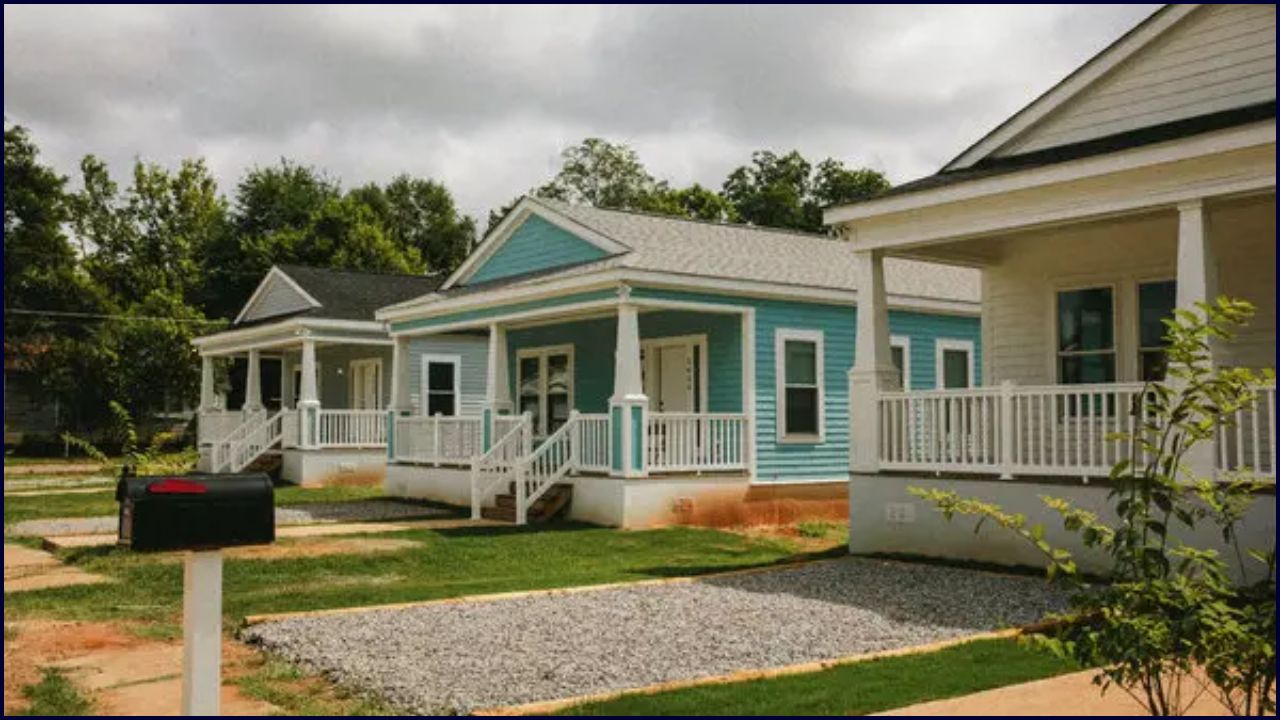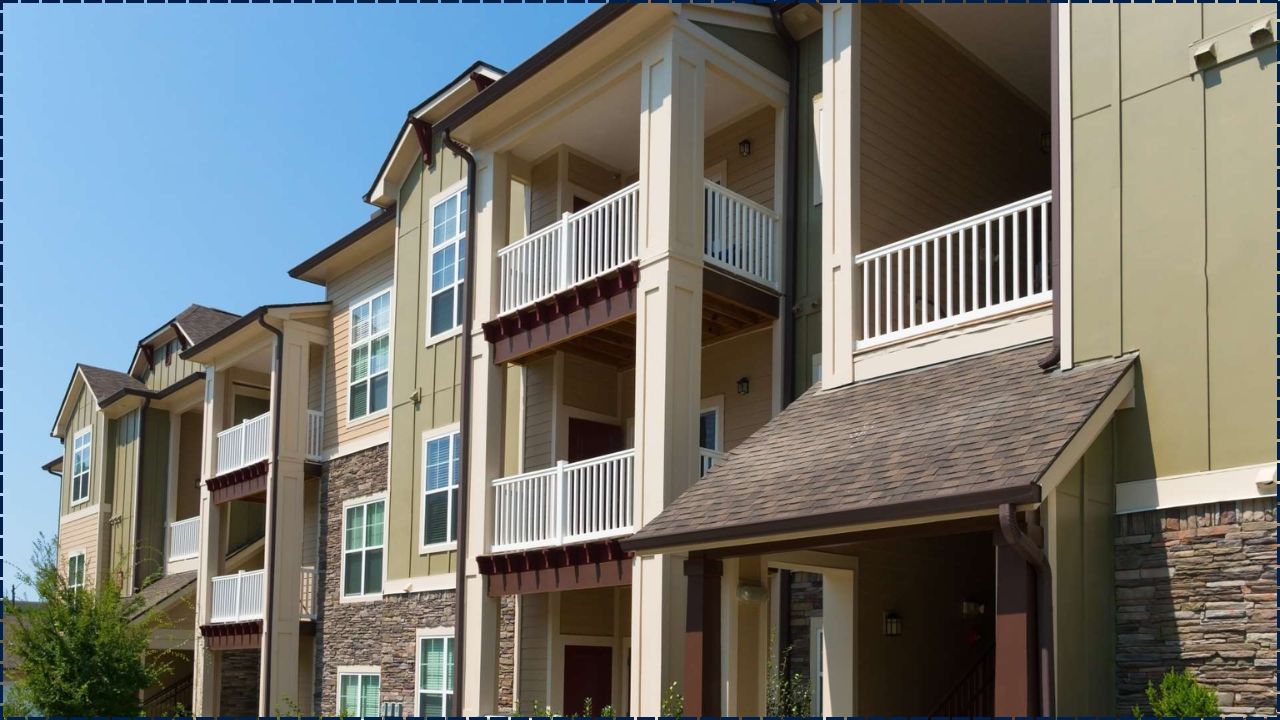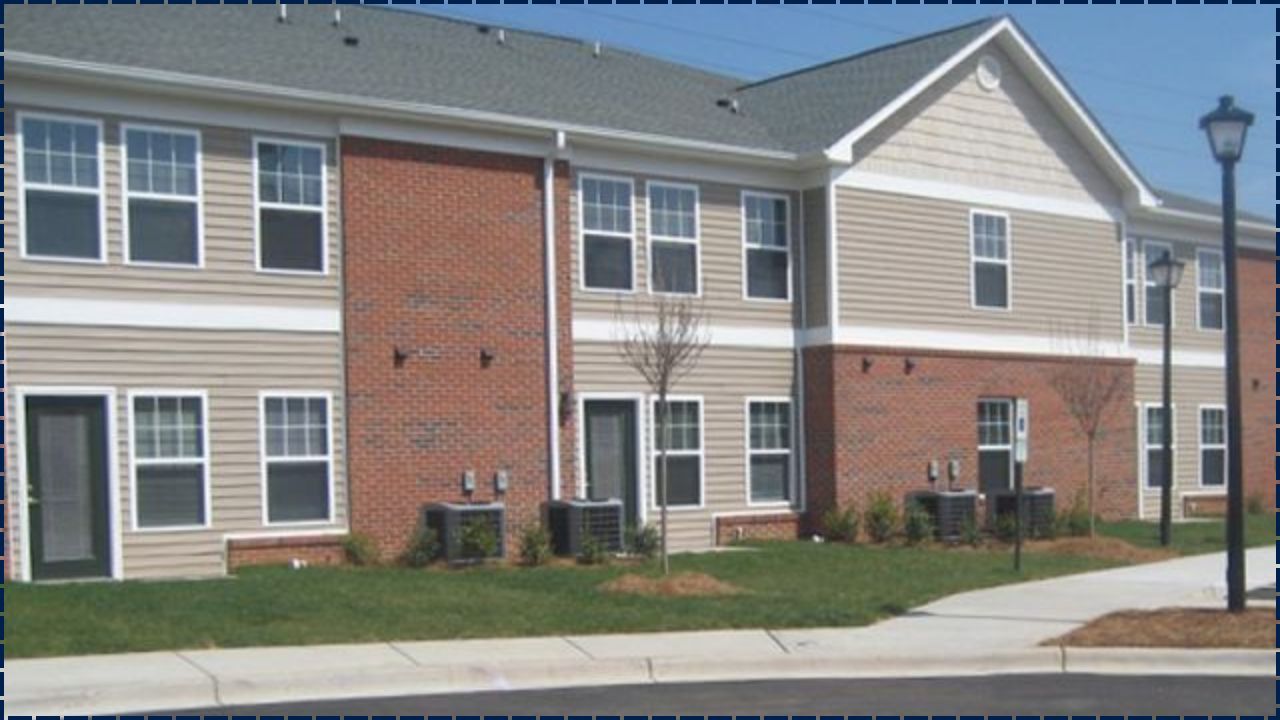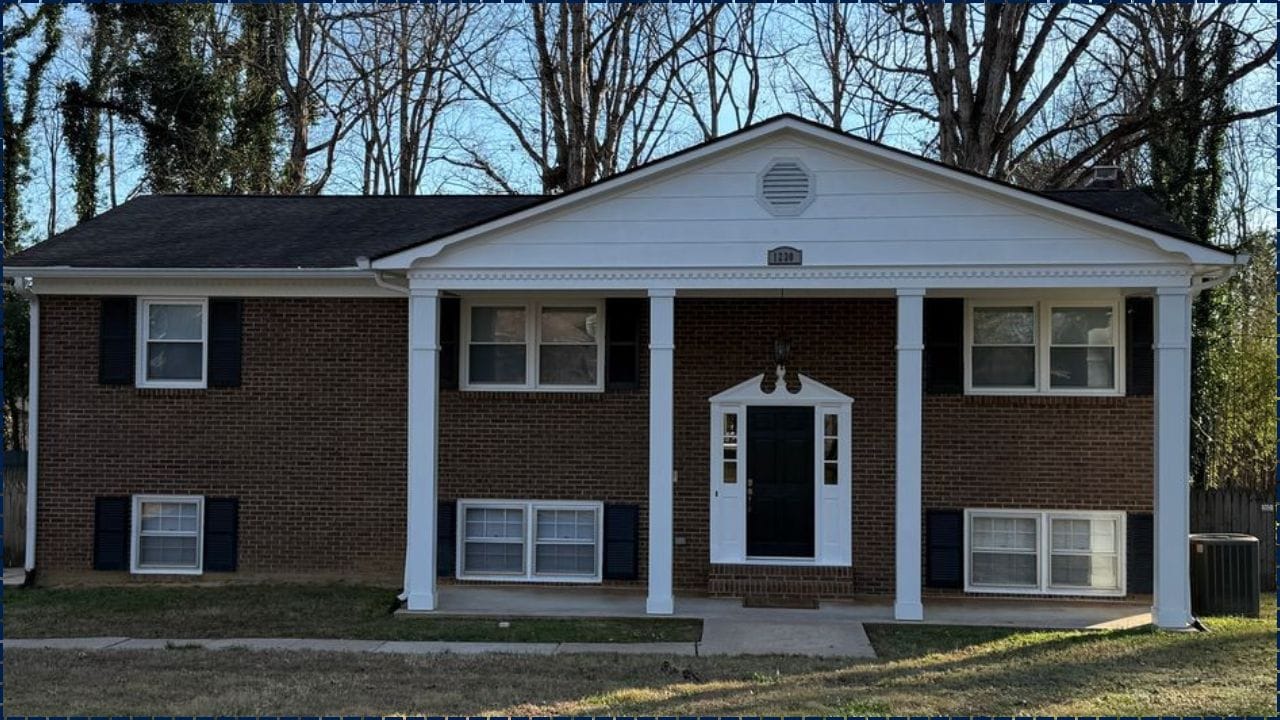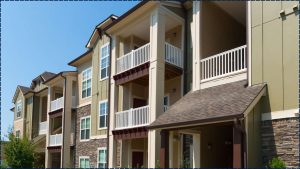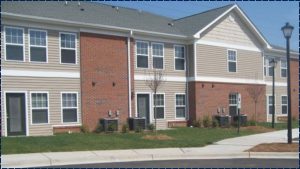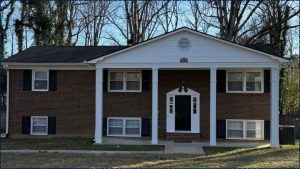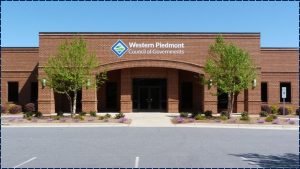

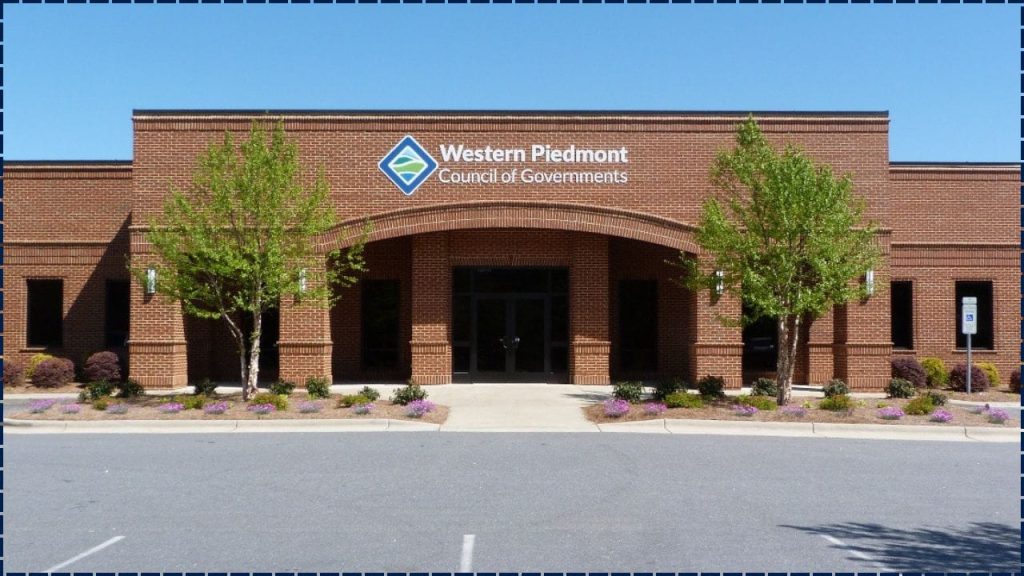
The WPCOG Regional Housing Authority has taken over administration of federal Section 8 housing vouchers across several western North Carolina counties, replacing traditional city-based housing authorities in a move officials say is designed to improve oversight, compliance, and long-term program stability.
Table of Contents
Landlord Guide
| Key Fact | Detail |
|---|---|
| Program Type | Section 8 Housing Choice Vouchers |
| Administering Agency | WPCOG Regional Housing Authority |
| Counties Served | Alexander, Burke, Caldwell, Catawba |
| Public Housing Owned | None |
| Funding Source | Federal (HUD) |
What Is the WPCOG Regional Housing Authority?
The Western Piedmont Council of Governments (WPCOG) is a regional governmental organization that provides shared administrative and planning services to local governments in western North Carolina. Councils of governments operate nationwide, often handling transportation planning, aging services, economic development, and grant administration.
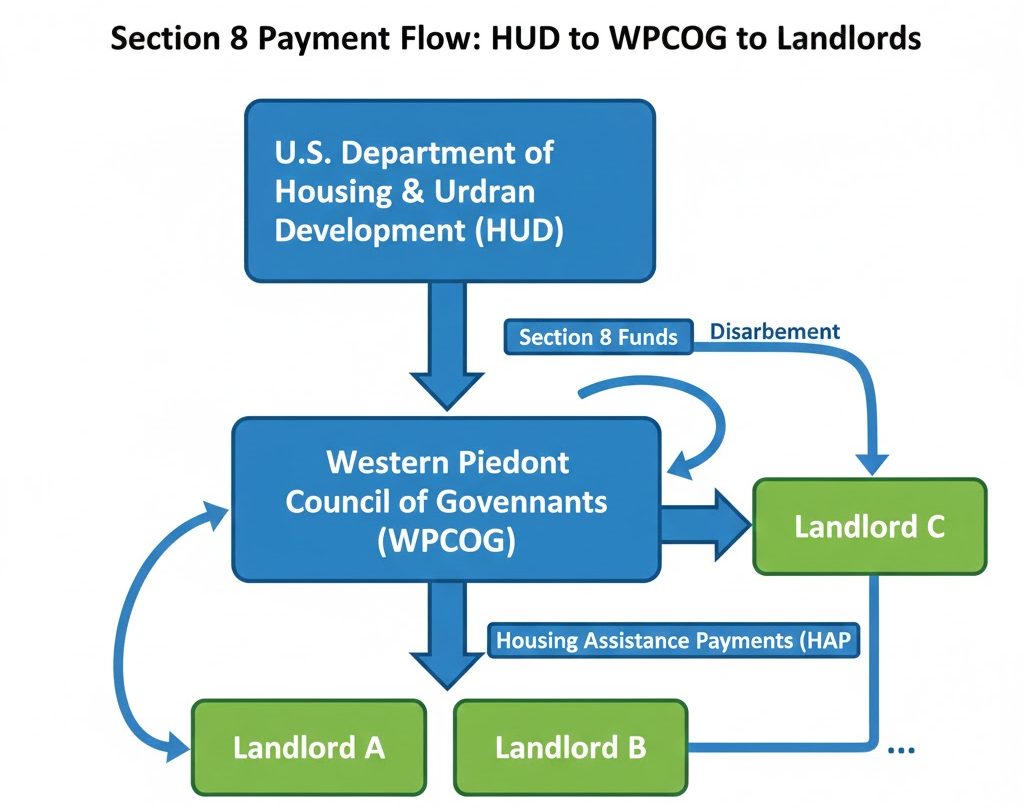
Within WPCOG, the Regional Housing Authority (RHA) functions as a federally recognized public housing authority, authorized by the U.S. Department of Housing and Urban Development (HUD) to administer rental assistance programs. Its primary responsibility is managing the Housing Choice Voucher Program, commonly known as Section 8.
Under this program, eligible households receive vouchers that subsidize rent in privately owned housing. The authority pays a portion of the rent directly to landlords, while tenants pay the remainder based on income.
Unlike many traditional housing authorities, the WPCOG RHA does not own or operate public housing developments. Its mission is administrative rather than managerial, focusing on compliance, payments, inspections, and federal reporting.
A Shift Away From the Traditional Housing Authority Model
For much of the 20th century, housing assistance in the United States was administered by city-based housing authorities. These agencies were typically governed by local boards and often managed both public housing properties and voucher programs.
That model began to change as federal oversight increased and compliance requirements became more complex.
HUD regulations governing financial controls, inspections, data reporting, and civil rights enforcement expanded significantly over the past two decades. Smaller housing authorities, particularly in mid-sized and rural communities, increasingly struggled to meet those standards.
In several North Carolina municipalities, audits and HUD performance reviews identified recurring administrative weaknesses, including underutilized vouchers, delayed inspections, and governance challenges. In response, some city councils voted to dissolve their housing authorities and transfer responsibilities to a regional entity.
HUD allows such transfers when continuity of assistance is maintained and administrative capacity improves.
Why HUD Supports Regionalization
HUD officials have stated in guidance documents that regional or consolidated housing authorities can offer several advantages, including:
- Larger professional staff with specialized expertise
- More consistent compliance with federal rules
- Reduced administrative duplication
- Greater resilience during leadership turnover
According to housing policy researchers, these benefits are particularly relevant in regions with limited tax bases or shrinking municipal budgets.
“Voucher programs today are compliance-heavy operations,” said a housing administration expert familiar with HUD oversight. “Regional authorities are often better positioned to absorb that complexity.”
How the WPCOG Model Operates
Governance Structure
The WPCOG Regional Housing Authority operates under a regional governance framework rather than a single city council or board. Participating counties and municipalities share oversight, which proponents argue reduces political pressure and governance volatility.
Housing law experts note that regional governance can provide continuity when local leadership changes or when cities face budget constraints.
Scope of Responsibility
The authority’s role is narrowly defined. It does not:
- Own public housing units
- Act as a landlord
- Set local housing policy
Instead, it administers federal assistance within HUD guidelines. This includes:
- Determining voucher eligibility
- Approving rents
- Conducting Housing Quality Standards inspections
- Issuing Housing Assistance Payments (HAP)
Landlord Interaction
Landlords who choose to participate continue to lease directly with tenants. The authority enters into a separate HAP contract covering the subsidized portion of rent.
Key operational features include:
- Monthly direct-deposit payments
- Annual inspections
- Rent reasonableness reviews
- Compliance monitoring
Landlords screen tenants using their own criteria, subject to fair housing laws.
What Has Changed for Landlords—and What Has Not
From a landlord perspective, the fundamental structure of Section 8 remains unchanged. Federal rules governing leases, inspections, and rent limits still apply.
What has changed is the administrative point of contact.
Instead of dealing with a city housing authority, landlords now work with a regional office that serves multiple counties. Supporters argue this provides greater consistency in interpretation of rules and faster issue resolution.
Some landlords, however, have expressed concern about losing local familiarity.
“Regional offices bring professionalism, but they can feel more distant,” said one property owner who has participated in voucher programs for more than a decade.
WPCOG officials say landlord outreach and standardized communication are intended to address those concerns.
Implications for Voucher Holders
For tenants, voucher rules remain federal and unchanged. Eligibility, income limits, and tenant responsibilities continue to be governed by HUD standards.
One potential advantage of regional administration is voucher portability. Voucher holders may find it easier to move between counties within the same administering authority.
Housing advocates say this could expand housing choice, particularly in regions with limited rental supply.
However, they caution that administrative efficiency does not address the underlying shortage of affordable housing.
“A well-run voucher program still depends on available units,” said a policy analyst with a statewide housing nonprofit.
Compliance, Oversight, and Accountability
The WPCOG Regional Housing Authority is subject to the same federal oversight as any public housing authority.
This includes:
- HUD performance assessments
- Independent financial audits
- Civil rights compliance reviews
- Annual reporting requirements
Failure to meet standards can result in corrective action plans or federal intervention.
HUD officials emphasize that regionalization does not reduce accountability. In some cases, they argue, it increases it by centralizing expertise.
Concerns and Criticisms
Despite its potential advantages, regional administration is not without critics.
Some local officials worry about diminished community input. Others raise concerns about response times in geographically dispersed service areas.
Housing scholars also caution that consolidation should not be viewed as a universal solution.
“Regionalization works best when paired with strong local partnerships,” said an academic specializing in housing governance. “Distance can be a real issue if communication breaks down.”
WPCOG officials say they are monitoring performance metrics closely, including inspection turnaround times and voucher utilization rates.
Broader Policy Context
The transition to regional housing authorities reflects a broader national trend toward administrative consolidation in public programs.
Similar models have emerged in transportation planning, workforce development, and public health administration.
Policy analysts say housing assistance may increasingly follow that path as federal requirements grow more complex and local resources tighten.
Whether the model expands further in North Carolina will depend largely on outcomes.
What Happens Next
The WPCOG Regional Housing Authority continues to operate across its current service area, with periodic evaluations by HUD.
Officials say future expansion would require additional federal approval and local government consent.
For now, the authority’s stated priority is maintaining uninterrupted assistance for existing voucher holders while strengthening landlord participation.
FAQ
Does WPCOG own or manage public housing?
No. The authority administers vouchers only.
Are landlords required to accept Section 8?
Participation is voluntary unless local ordinances require acceptance of rental assistance.
Who handles tenant screening?
Landlords screen tenants independently.
Do tenants’ rights change under WPCOG?
No. Federal tenant protections remain the same.
Does regional administration affect rent limits?
No. Rent limits are set by HUD fair market rent standards.